A worn timing belt can hide inside the engine until it causes a big problem. Ignore it too long, and one small rubber belt may lead to bent valves, piston damage, or a new engine. The smart move is simple: check the signs early and replace it on time.
A timing belt usually needs replacing when it reaches the manufacturer’s mileage or age interval, shows cracks or fraying, makes ticking or squealing noises, sits near an oil leak, or causes rough engine running. Always check the owner’s manual first, because timing belt replacement intervals vary by vehicle and engine design. Consumer Reports notes that many timing belts are replaced around 60,000–80,000 miles, while other guidance may vary by model.
Timing Belt
Article Outline
What does a timing belt do in an engine?
What is the first sign that a timing belt needs to be replaced?
How often should you replace a timing belt?
What happens if timing belt failure occurs?
Can belt wear be seen during inspection?
Why can an oil leak damage a timing belt?
Should you replace a timing belt kit, water pump, and tensioner together?
What affects timing belt replacement costs?
Why should B2B buyers care about timing belts and power transmission parts?
How can you prevent timing belt failure before major damage happens?
What Does a Timing Belt Do in an Engine?
A timing belt keeps the engine’s internal movement in order. It connects the crankshaft and camshaft, helping the valve, piston, ignition, and exhaust timing work together. Gates explains that the timing belt’s core job is to keep the crankshaft and camshaft synchronized so the engine can run correctly.
Think of it like a conductor in a small orchestra. If the belt is worn, stretched, misaligned, or damaged, the internal components may no longer move at the right time. In an interference engine, this can become serious because the valves and pistons share very tight space.
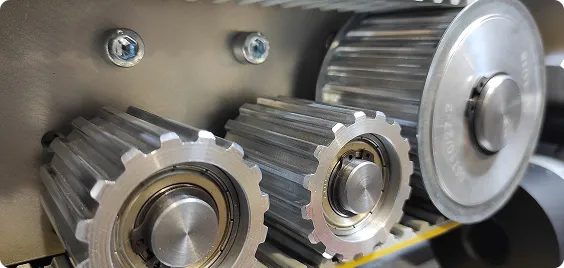
For global machinery manufacturers, automation equipment integrators, conveyor system builders, and industrial distributors, this same logic applies beyond cars. Whether you use a timing pulley, timing belt, industrial gear, sprocket, chain, or conveyor roller, accurate motion control protects production stability.
What Is the First Sign That a Timing Belt Needs to Be Replaced?
The first sign is often not one single warning. It may be a mix of noises, poor engine behavior, visible belt wear, or service history uncertainty. Gates Australia lists symptoms such as engine not starting, ticking noise, misfires, and rough running as common signs of timing belt wear or failure.
Here are the obvious signs to watch:
| Sign |
What It May Mean |
Action |
| Ticking or clicking from the engine |
Belt, pulley, or timing issue |
Ask a mechanic to inspect it |
| Rough idle or engine misfire |
Timing may be off |
Diagnose the problem quickly |
| Cracks, glazing, or fray marks |
Belt is worn |
Replace the belt |
| Oil leak near timing cover |
Rubber belt may degrade |
Repair leak and inspect belt |
| Unknown service history |
Belt was last changed too long ago or never recorded |
Check records or get it replaced |
If you bought a used vehicle and do not know when the belt was last changed, do not guess. A small preventive service is safer than waiting until the timing belt breaks.
How Often Should You Replace a Timing Belt?
Most timing belt replacement schedules are based on mileage, age, and engine design. Consumer Reports says owners should follow the manufacturer’s recommended replacement interval, and many timing belts fall around 60,000 to 80,000 miles. Georgia Consumer Ed gives similar guidance and warns that failure to change the belt can lead to expensive engine repair.
The best answer is always in the owner’s manual. Some modern engines use chains instead of belts. Some timing belts must be replaced sooner because of heat, oil contamination, poor tension, or harsh driving conditions.
A safe rule is this: if your manual says the timing belt must be replaced at a certain mileage or timeframe, treat it as routine maintenance, not an optional repair. Waiting for noise or warning lights is risky because many timing belts fail without enough warning.
What Happens If Timing Belt Failure Occurs?
Timing belt failure can stop the engine immediately. In some vehicles, the engine may simply shut off and refuse to start. In others, especially an interference engine, a broken belt can allow the piston to hit the valve, causing bent valves, damaged pistons, and major damage.
This is why timing belt replacement is preventive. You are not only buying a new timing belt. You are protecting the engine. Some engines may survive a broken belt better than others, such as a non-interference engine, but it is still not worth gambling.
When timing belt breaks happen at speed, repair costs can rise fast. A normal belt change is usually much cheaper than repairing internal engine damage. For businesses that operate fleets, delivery vehicles, air compressor systems, textile machinery, or automated production lines, one failed belt can also mean downtime, missed delivery, and lost customer trust.
Can Belt Wear Be Seen During Inspection?
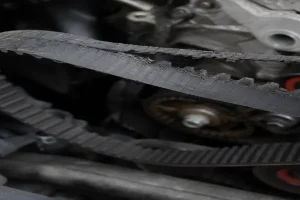
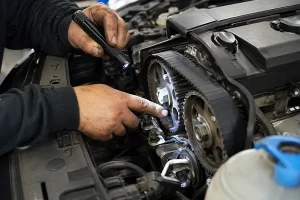
Sometimes, yes. A technician may remove covers and inspect the belt for cracks, missing teeth, glazing, uneven wear, or fray marks. Dayco notes that noise from under the hood can point to wear in the timing belt or surrounding components, including pulley bearings.
Common visible signs that your timing belt may need attention include:
- Cracks across the rubber surface
- Missing or damaged teeth
- Shiny, glazed, or hardened rubber
- Uneven tracking on the pulley
- Oil or coolant contamination
- Edges that look torn or frayed
But here is the key point: a belt can look acceptable and still be old. Rubber ages. Heat cycles matter. So visual inspection helps, but it does not replace the service interval.
Why Can an Oil Leak Damage a Timing Belt?
An oil leak near the timing belt cover is a warning sign. Rubber belts are not designed to stay soaked in oil. Oil can soften the belt, weaken the teeth, attract dirt, and make the belt slip or break earlier than expected.
The leak may come from a gasket, camshaft seal, crankshaft seal, or nearby engine component. If oil reaches the timing area, the proper repair is not only to install a new belt. The leak source should be fixed first.
The same applies to coolant leaks from the cooling system or water pump area. Fluid contamination can shorten belt life. If the belt looks wet, swollen, or dirty, ask a qualified mechanic to check the belt, tensioner, pulley, seals, and surrounding parts.
Should You Replace a Timing Belt Kit, Water Pump, and Tensioner Together?
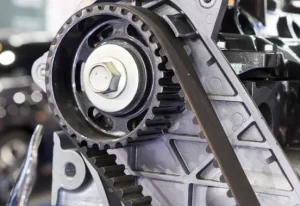
In many vehicles, replacing only the belt is not the best choice. A timing belt kit may include the belt, tensioner, idler pulleys, seals, and sometimes the water pump. Since many of these parts sit behind the same covers, replacing them together can reduce labor overlap.
A weak tensioner can make the belt too loose. A bad pulley can create noise, heat, or tracking problems. A failing water pump can leak and damage the belt. That is why many repair shops recommend a full kit when you replace a timing belt.
For industrial buyers, this is similar to replacing only one worn part in a power transmission system while ignoring the matching timing pulley, sprocket, chain, or roller. Good maintenance looks at the full system, not only one component.
What Affects Timing Belt Replacement Costs?
Replacement costs depend on the vehicle, engine layout, labor time, parts quality, and whether the shop replaces related components. Some engines have easy access. Others require removing many parts before the belt can be reached.
Cost factors include:
| Cost Factor |
Why It Matters |
| Engine design |
Some engines require more labor |
| Parts included |
Belt only vs. full kit |
| Water pump replacement |
Often done during the same job |
| Labor rate |
Varies by region and workshop |
| Damage level |
Preventive service costs less than repair after belt breaking |
A cheap repair is not always a smart repair. A low-quality belt, weak tensioner, or poorly installed part can create bigger problems later. Accurate installation matters because the camshaft and crankshaft must stay correctly timed.
Why Should B2B Buyers Care About Timing Belts and Power Transmission Parts?
This article focuses on engine timing belts, but the bigger lesson matters for B2B buyers too: motion control parts should be replaced before failure. A belt, gear, pulley, sprocket, chain, or conveyor roller is small compared with the value of the machine it protects.
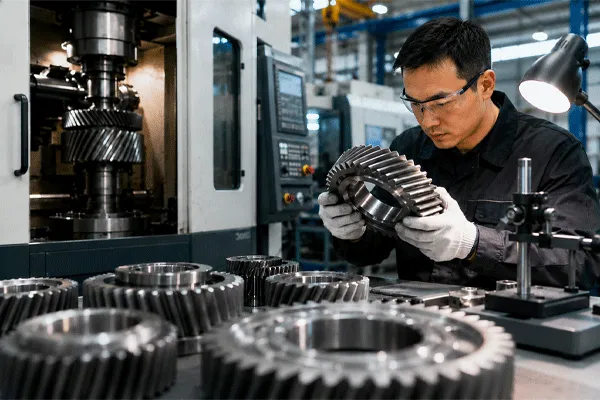
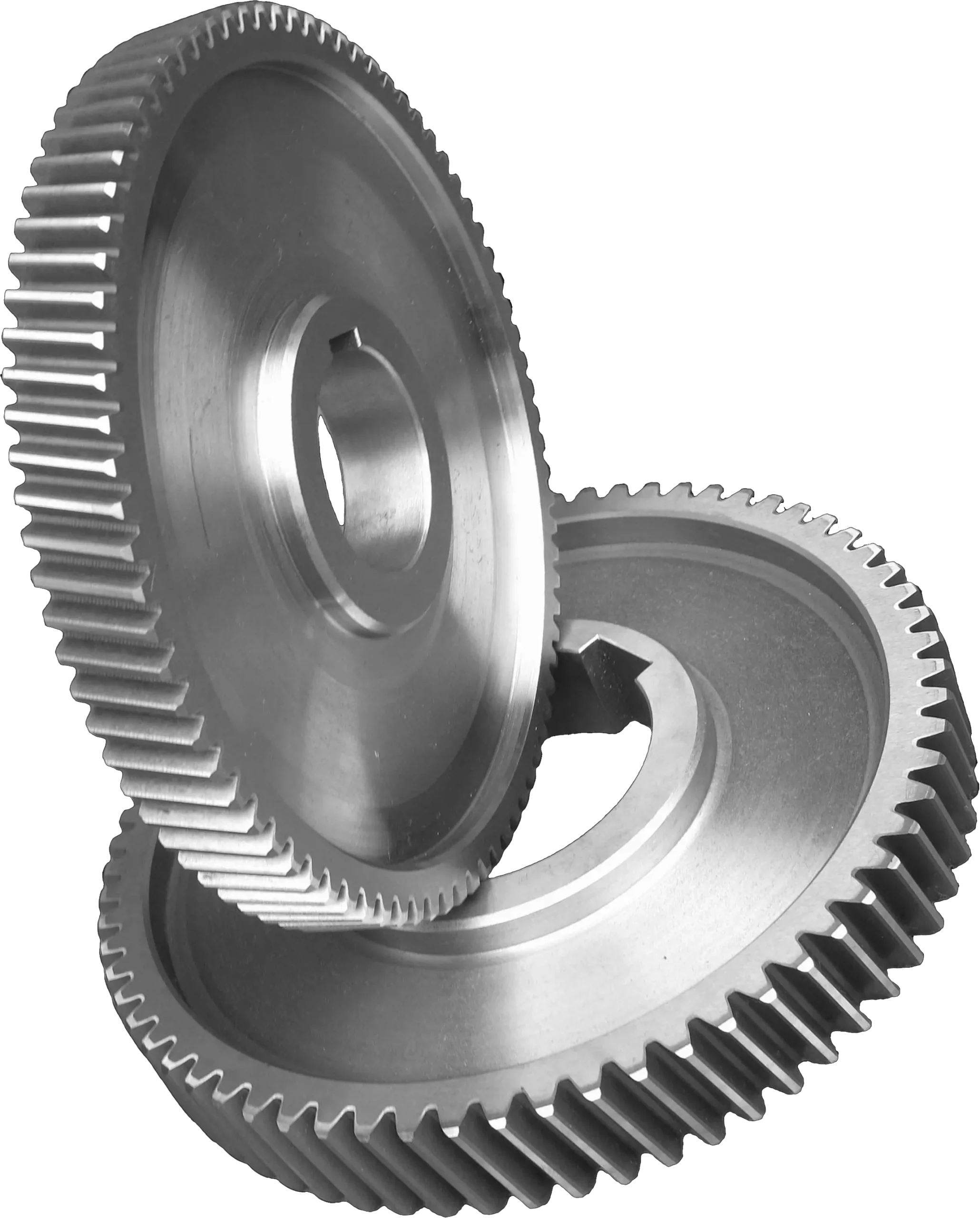
As a China-based precision power transmission components manufacturer, we support global B2B industrial customers with standard and custom timing pulleys, timing belts, industrial gears, poly V pulleys, sprockets, chains, and conveyor roller solutions. Buyers in automation, conveyor systems, air compressors, textile machinery, 3D printers, and medical equipment need stable parts that fit correctly and run smoothly.
For purchasing teams, the goal is not just buying a component. The goal is reliable operation, repeatable quality, and lower downtime. That means checking drawings, tooth profile, material, hardness, surface treatment, bore type, tolerance, and matching belt-pulley compatibility before mass production.
How Can You Prevent Timing Belt Failure Before Major Damage Happens?
The best way to prevent major damage is simple: follow the service schedule, check for leaks, listen for noise, and act early. Do not wait until warning lights appear. Many timing belt problems happen mechanically before the dashboard tells you anything.
A practical preventive checklist:
- Check the owner’s manual for the timing belt change interval
- Keep service records so you know when the timing belt replaced date was
- Watch for leaks near the timing cover
- Listen for ticking, squealing, or rattling
- Fix misfire or rough running quickly
- Use quality parts from reliable suppliers
- Ask a mechanic to diagnose the problem before long trips
If the belt needs to be replaced, do it before it fails. Preventive maintenance is boring. That is exactly why it works.
Timing Belt Warning Signs: Quick Buyer’s Checklist
Use this checklist when deciding whether to get your timing belt checked:
| Question |
If Yes, What To Do |
| Is the belt past the manual’s service interval? |
Schedule timing belt replacement |
| Is the belt cracked, oily, or frayed? |
Replace the belt and repair leaks |
| Is the engine ticking or misfiring? |
Have a mechanic inspect timing components |
| Do you see oil pressure or warning lights? |
Stop guessing and diagnose the problem |
| Do you not know the belt history? |
Treat it as a risk and get it replaced |
| Is the engine an interference engine? |
Be more preventive because damage risk is higher |
A timing belt is not a part you want to “try for a little longer” if the signs are clear. When the belt is worn, the safest answer is action.
FAQs About Timing Belt Replacement
How do I know if my timing belt needs replacing?
Your timing belt may need replacing if it has reached the service interval, shows cracks or fraying, sits near an oil leak, causes ticking noise, or leads to rough engine running. If you do not know the service history, check it soon.
Can I drive with a bad timing belt?
It is risky. If the belt fails while driving, the engine may stop. In an interference engine, the valves and pistons can collide, causing bent valves and major engine damage.
Is a timing belt the same as a serpentine belt?
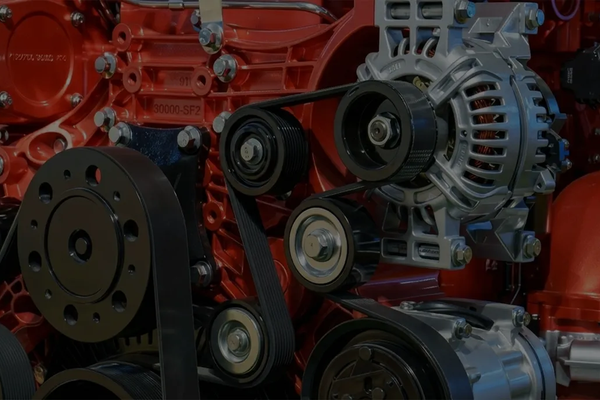
No. A timing belt controls internal engine timing. A serpentine belt usually drives external accessories such as the alternator, power steering pump, and air conditioning compressor.
Should I replace the water pump with the timing belt?
Often, yes. Many vehicles place the water pump behind the same timing cover. Replacing it with the belt can save labor and reduce the risk of a future coolant leak damaging the new belt.
Will my car show warning lights before the timing belt fails?
Not always. Some engines may show warning lights, misfire, or run poorly, but many timing belts fail without a clear dashboard warning. Service interval records are more reliable than waiting for lights.
What happens if I delay timing belt replacement?
Delaying replacement increases the chance of belt breaking, poor timing, no-start problems, or internal engine damage. A preventive belt change is usually much cheaper than repairing a damaged engine.
Key Takeaways
A timing belt keeps the crankshaft, camshaft, valve, and piston movement synchronized.
The best replacement guide is the vehicle owner’s manual.
Common signs include noise, rough running, cracks, fray marks, oil leak, and unknown service history.
Timing belt failure can cause major damage, especially in an interference engine.
A full timing belt kit may be smarter than replacing only the belt.
Preventive replacement costs less than engine repair.
For B2B machinery buyers, the same rule applies: reliable power transmission parts protect production uptime.












 14:02
14:02