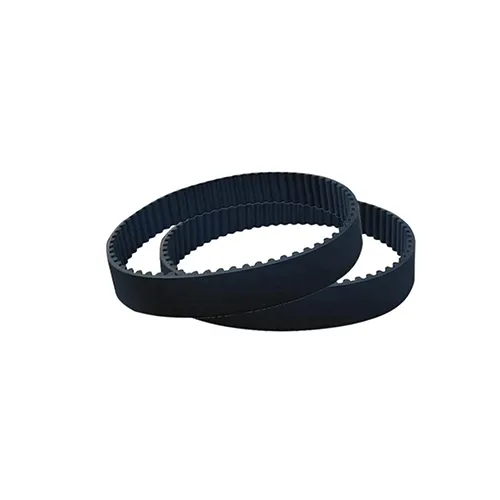








Precision Timing Belts for Every Industrial Drive Application
From standard MXL and HTD profiles to fully custom synchronous belts — KTD manufactures rubber and polyurethane timing belts built for precision, durability, and zero-slip performance.
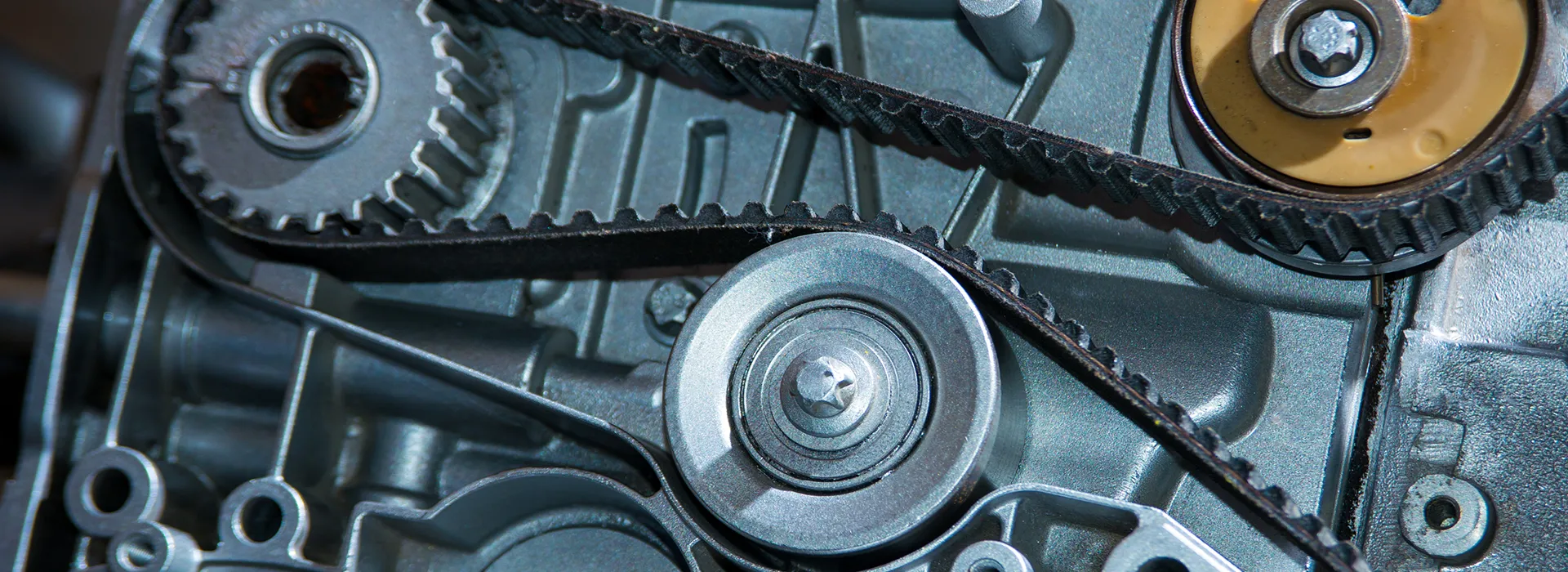
From standard MXL and HTD profiles to fully custom synchronous belts — KTD manufactures rubber and polyurethane timing belts built for precision, durability, and zero-slip performance.
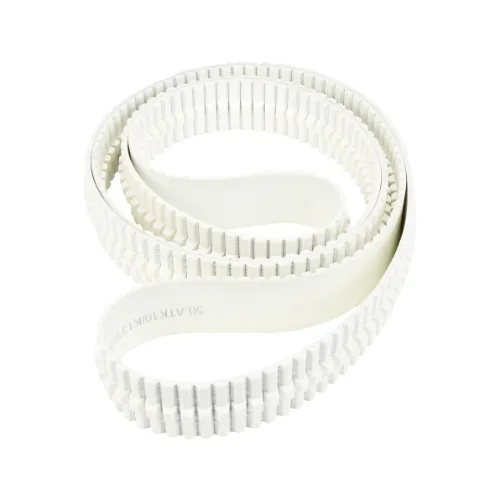
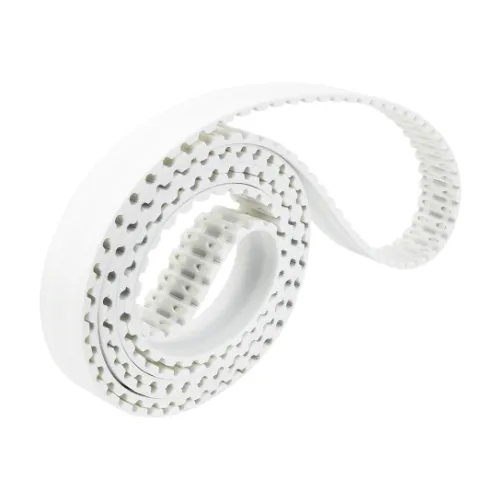
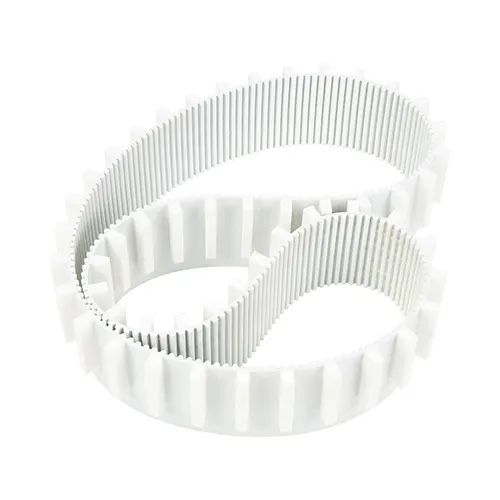
KTD manufactures synchronous belts across all major international profiles and materials. Whether you need a standard rubber HTD belt for a CNC machine, a polyurethane belt for a food-grade conveyor, or a double-sided belt for a complex multi-axis drive, our range covers every requirement.
Every KTD timing belt is manufactured to internationally recognized standards, ensuring dimensional compatibility with all standard timing pulleys. Our material selection is driven by application requirements — from heavy industrial drives to food-safe environments.
Available Profiles
HTD (3M/5M/8M/14M/20M), Imperial (MXL/XL/L/H/XH/XXH), T-series (T2.5/T5/T10/T20), S-series (S2M–S14M), P-series (P2M–P14M)
Compliance Standards
ISO 9563, DIN 7721, RMA IP-24
Rubber Compound
EPDM (Ethylene Propylene Diene Monomer) — same compound used in aircraft tires
PU Compound
Cast polyurethane — oil-resistant, chemical-resistant, food-grade available
Tensile Cord Options
Kevlar (aramid fiber) — tensile strength +30% vs. standard; Steel wire; Fiberglass
Tooth Face Treatment
New fiber fabric layer on tooth face — reduces wear, prevents cracking, lowers noise
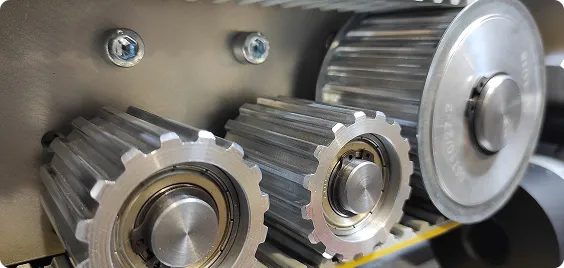
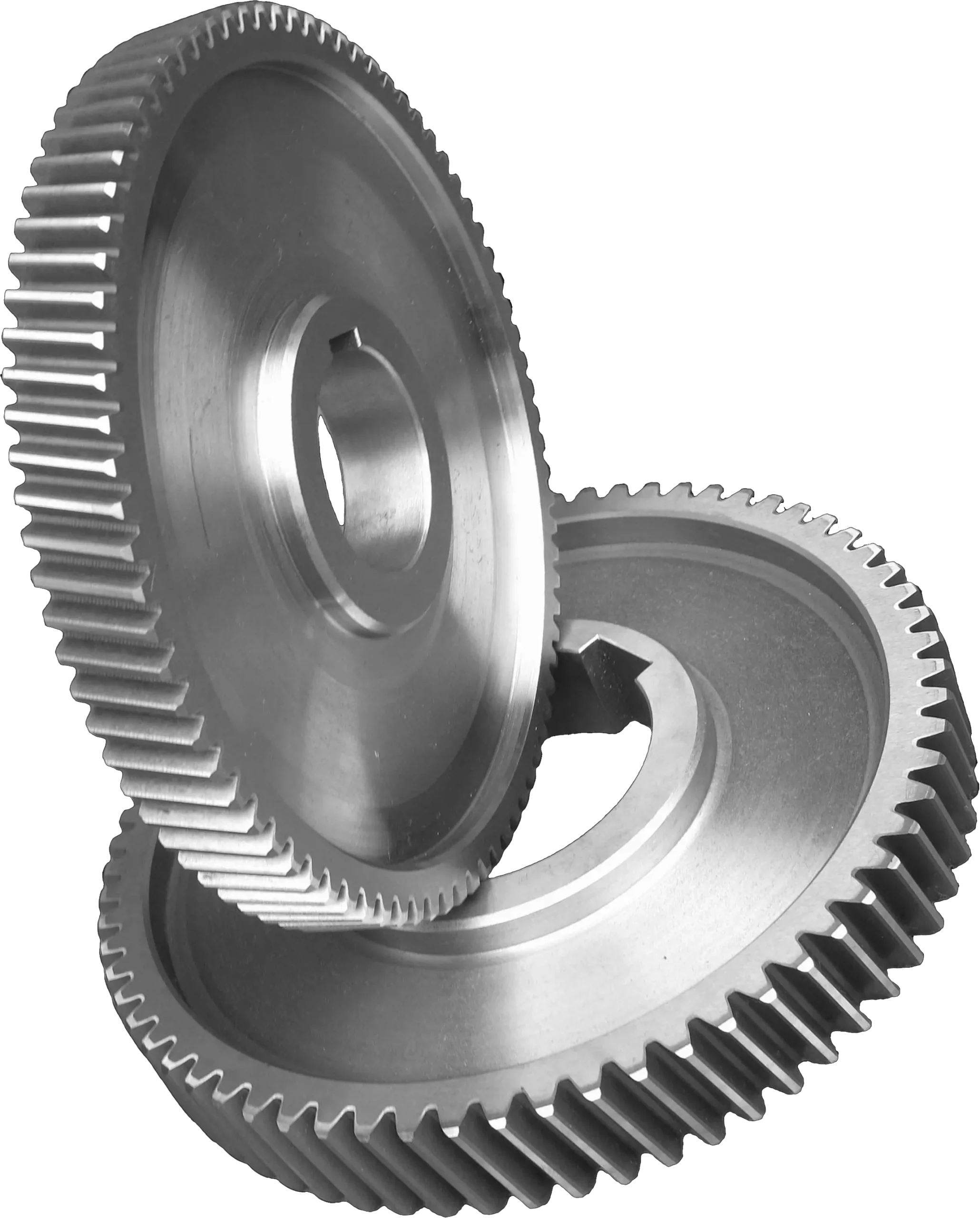
A timing belt is only as accurate as its tooth geometry. At KTD, every belt is produced using matched tooling — the same cutting tools used for both the belt molds and the corresponding timing pulleys — ensuring a tooth mesh accuracy improvement of up to 30% compared to belts and pulleys sourced separately.
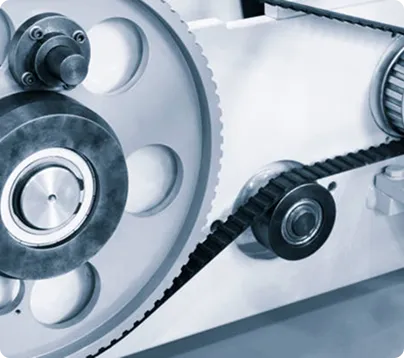
KTD manufactures timing belts and their matching pulleys using the same precision cutting tools. This matched-tooling approach eliminates the dimensional mismatches that cause premature tooth wear, noise, and power loss — delivering a tooth mesh accuracy that is up to 30% better than mismatched belt-and-pulley combinations.
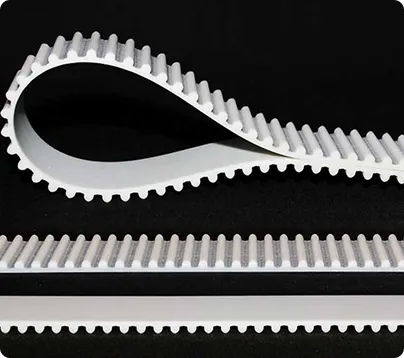
Our rubber timing belts use Kevlar (aramid fiber) tensile cords — the same high-strength material used in bulletproof vests. This construction increases the tensile load coefficient by 30% compared to standard fiberglass cords, enabling the belt to handle higher torque without elongation or failure.
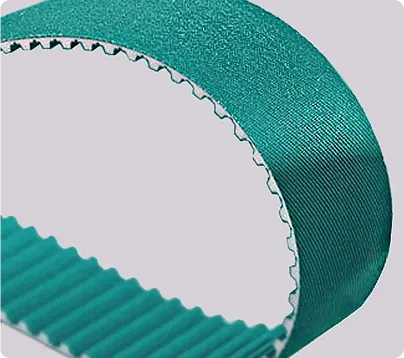
The tooth face of every KTD rubber timing belt incorporates a new-generation fiber fabric layer. This reinforcement dramatically reduces tooth wear and cracking under repeated load cycles, extends service life, and keeps operating noise to a minimum — even in high-speed, high-cycle applications.
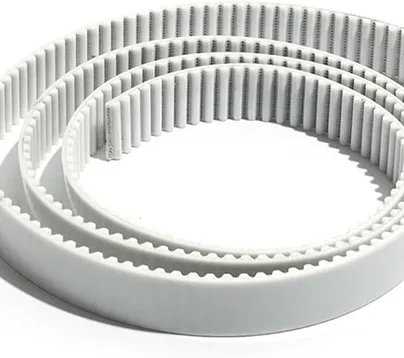
Where rubber is not suitable — in washdown environments, chemical exposure, or applications requiring food-grade materials — KTD's cast polyurethane timing belts deliver superior performance. PU belts offer higher wear resistance, better chemical resistance, and quieter operation than rubber, making them the standard choice for food processing, medical, and precision instrument applications.
Standard timing belts solve most problems — but not all. When your application demands a non-standard pitch length, a special width, an open-end belt, or custom surface attachments, KTD's engineering team delivers exactly what you need.
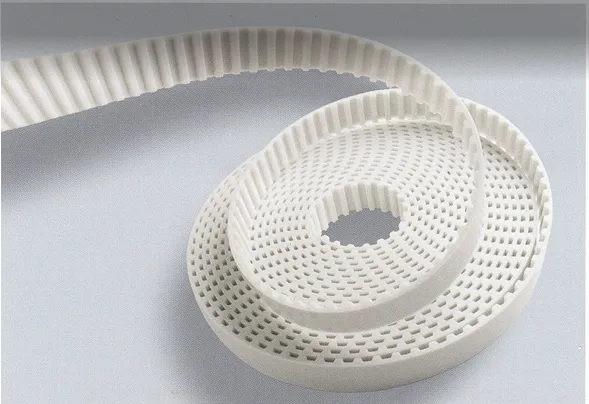
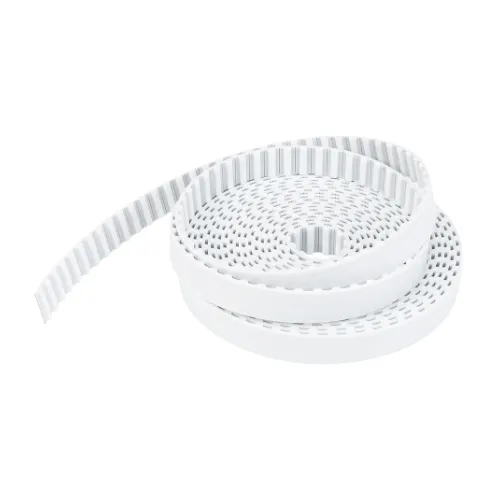
Standard endless belts are not always the right solution. KTD supplies open-end timing belts by the meter, allowing you to cut to any required length. We also manufacture endless belts in non-standard pitch lengths when your drive geometry does not match a catalog size.
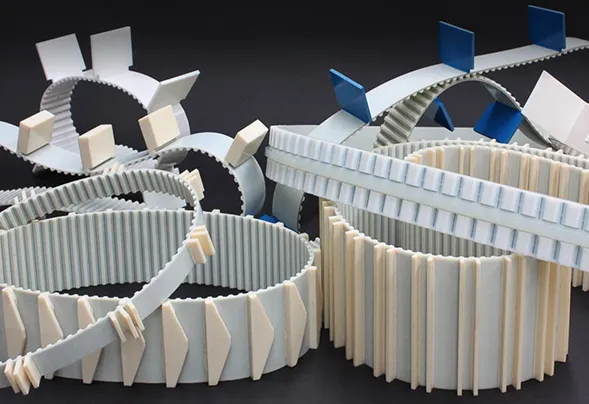
KTD adds a wide range of functional attachments to standard timing belt profiles: guide ribs for lateral tracking, foam or felt backing for gentle product handling, cleats for positive product conveying, perforations for vacuum conveying, and custom profiles for specialized gripping applications.
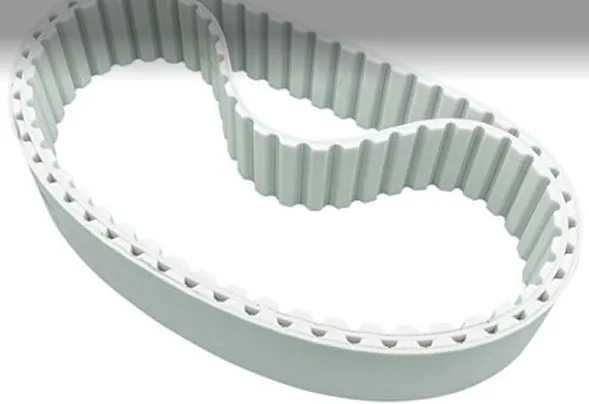
Beyond standard EPDM and PU, we manufacture timing belts in specialized compounds: insulating rubber for electrical isolation requirements, EPDM with enhanced oil resistance for engine-adjacent applications, and food-grade PU certified to FDA standards for direct food contact conveying.
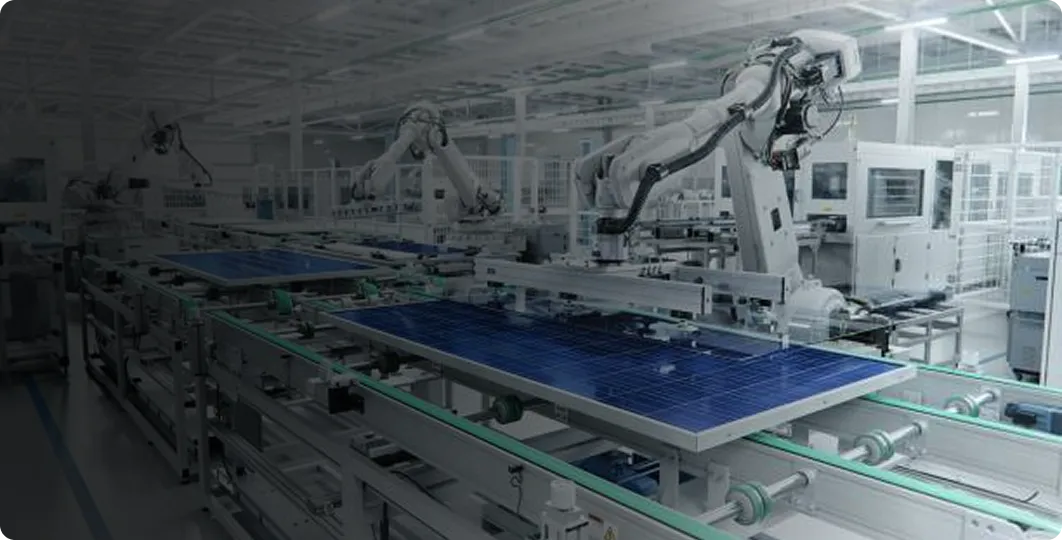
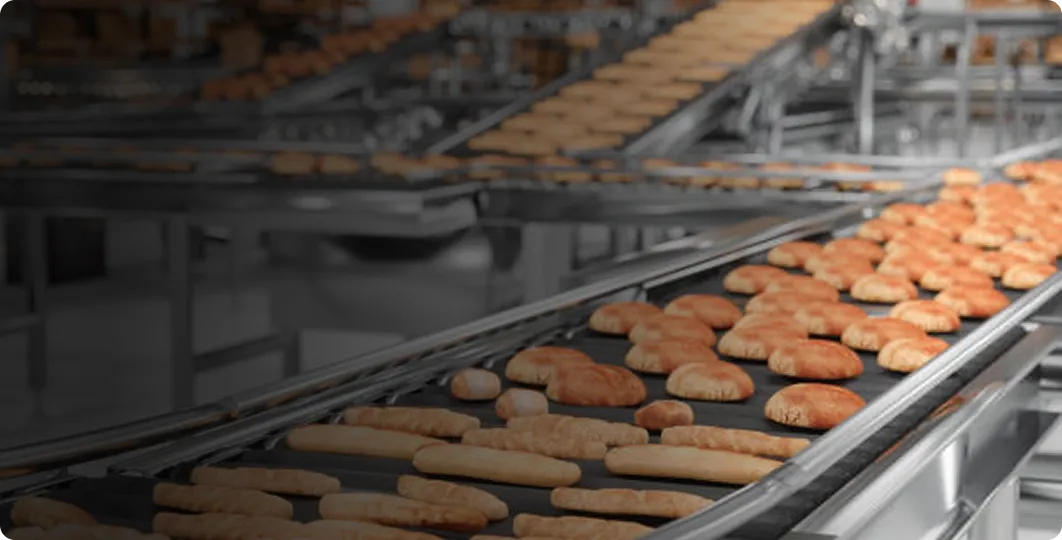
KTD timing belts are trusted across a wide range of industries where accurate, slip-free power transmission and precise positioning are non-negotiable.
Most timing belt failures are preventable. They trace back to three root causes: incorrect belt selection, mismatched tooth geometry, and inadequate tensile cord specification. Here is how KTD addresses each one.
Mismatched tooth profiles between belt and pulley create uneven load distribution across the tooth face, causing accelerated wear, noise, and eventually belt skipping under load.
KTD manufactures timing belts and pulleys using matched tooling from the same precision cutting dies. This ensures perfect tooth geometry compatibility, distributing load evenly across the full tooth face and extending belt service life by up to 30%.
Under sustained high-torque loads, belts with inadequate tensile cord strength stretch over time, causing loss of synchronization, positioning errors, and eventual drive failure.
KTD manufactures timing belts and pulleys using matched tooling from the same precision cutting dies. This ensures perfect tooth geometry compatibility, distributing load evenly across the full tooth face and extending belt service life by up to 30%.
Exposure to oils, chemicals, high humidity, or extreme temperatures causes rubber timing belts to harden, crack, or swell — leading to unexpected failures and costly downtime.
KTD offers the right material for every environment. EPDM rubber belts provide excellent resistance to heat, ozone, and moisture for standard industrial drives. For chemical exposure or food-contact applications, our cast polyurethane timing belts deliver superior resistance to oils, acids, alkalis, and cleaning agents.
Have a technical question about selecting or specifying a timing belt? Find answers to the most common questions below, or contact our engineering team directly.

HTD (High Torque Drive) belts use a curvilinear (rounded) tooth profile, which distributes load more evenly across the tooth and provides higher torque capacity with less tooth wear compared to the older trapezoidal profile. Trapezoidal belts (MXL, XL, L, H, XH, XXH) are still widely used in lighter-duty and legacy applications. KTD manufactures both profiles — contact our team if you need help selecting the right profile for your drive.
Choose polyurethane (PU) timing belts when your application involves: food contact or washdown environments (food-grade PU is FDA-compliant), exposure to oils or chemical solvents, requirements for lower operating noise, or higher precision positioning where minimal belt elongation is critical. Rubber timing belts remain the standard choice for general industrial drives where cost efficiency and high tensile strength are the primary requirements.
Yes. KTD supplies open-end (cut-to-length) timing belts in all major profiles including HTD (3M, 5M, 8M, 14M), T-series (T5, T10), and S-series. Open-end belts are ideal for linear drive systems, conveyor applications, and situations where an endless belt cannot be installed. Please specify the profile, width, and required length when enquiring.



We will reply you within 24 hours. If for urgent case, please add WhatsApp/WeChat: +86 13625428257,Or call +86 0532-55560029 directly.
*We respect your confidentiality and all information are protected.
We will only use your information to respond to your inquiry and will never send unsolicited emails or promotional messages.