A broken material flow can slow production, raise labor costs, and create chaos on the factory floor. Many factories struggle with inefficient handling and unplanned downtime. The good news: a well-designed roller conveyor system solves this with smooth, controlled movement and scalable automation.
A roller conveyor system works by using a series of rollers mounted in a frame to move products along a production or logistics line using gravity, motors, or chain-driven force. It reduces manual handling, improves speed, and supports efficient material flow across industries.
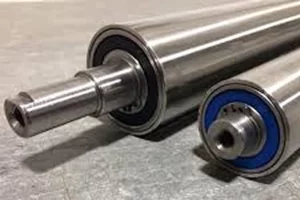
Conveyor Roller
Article Outline
What is a conveyor system and how do conveyors work?
How do roller conveyors work in material handling systems?
What are the main types of roller conveyor systems?
What is a conveyor roller and how does it function?
Gravity roller conveyor vs powered roller conveyor: what is the difference?
What is a motorized roller (MDR conveyor) system?
What types of roller are used in industrial conveyors?
Where are roller conveyors used in real industries?
How do conveyor systems improve material handling efficiency?
Why choose a custom roller conveyor manufacturer?
What is a conveyor system and how do conveyors work?
A conveyor system is a mechanical solution designed to move goods continuously from one point to another. In simple terms, conveyors work by using gravity, motors, or mechanical force to move items along a defined path.
In most factories, a conveyor forms the backbone of a material handling system, reducing manual labor and improving speed. Whether it is a conveyor belt, a roller conveyor, or a hybrid system, the goal is the same: efficient flow.
From my experience as a manufacturer, I often see clients underestimate the importance of a properly designed conveyor system. A poorly designed system leads to bottlenecks, while a well-optimized conveyor line improves productivity by more than 30%.
How do roller conveyors work in material handling systems?
A roller conveyor works by placing products directly on cylindrical roller elements that rotate freely or are powered. As the roller spins, it moves goods forward along the conveyor line.
In many factories, roller conveyors work using gravity or motor assistance. A simple slope allows a gravity roller conveyor to move boxes without power. In contrast, a powered system uses a motorized roller or driven roller for controlled movement.
From a design perspective, a roller conveyor system is one of the most flexible conveyors in modern material handling. It supports cartons, pallets, and even irregular loads depending on roller types and spacing.
What are the main types of roller conveyor systems?
There are several kinds of roller conveyors, each designed for different conveyor applications:
- Gravity roller conveyor
- Powered roller conveyor
- Chain-driven roller conveyors
- Line shaft roller conveyors
- Live roller conveyors
A gravity roller system is the simplest. It uses slope and weight. A live roller conveyors system uses powered roller mechanisms for controlled movement.
As a global supplier, we often design custom roller conveyor solutions based on factory layout, load weight, and length of the conveyor. Different industries require different roller conveyor systems, especially in automation and logistics.
What is a conveyor roller and how does it function?
A conveyor roller is a cylindrical component that forms the core of any roller conveyor. Each individual roller rotates around a shaft to support movement of goods.
Most conveyor rollers are cylindrical, and they can be made from steel, plastic, or rubber-coated materials. In heavy industries, metal rollers or stainless steel rollers are preferred due to durability.
In my factory, we produce plastic conveyor rollers, nylon conveyor rollers, and rubber-coated rollers depending on load and environment. Every roller must be precisely balanced to ensure smooth operation along the conveyor surface.
Gravity roller conveyor vs powered roller conveyor: what is the difference?
A gravity roller conveyor relies on slope and gravity, while a powered roller conveyor uses motors or mechanical drive systems.
In gravity systems, products move naturally along the conveyor bed. In powered systems, driven roller or motor-driven roller units control movement.
Key differences:
- Gravity systems = low cost, no power
- Powered systems = controlled speed, automation
- Hybrid systems = flexible conveyor solution
Both systems are widely used in modern conveyors and powered roller conveyors, depending on workflow needs.
What is a motorized roller (MDR conveyor) system?
A mdr conveyor (Motor Driven Roller system) uses individual motorized roller units instead of centralized motors. Each roller has its own drive system.
This design improves control, reduces noise, and increases energy efficiency. In many modern warehouses, mdr conveyor systems are replacing older belt-driven conveyor systems.
From an engineering view, powered roller conveyor systems with MDR technology provide smarter control system integration and better scalability across the conveyor line.
What types of roller are used in industrial conveyors?
There are many type of roller options used in industrial systems:
- Steel roller
- Plastic roller
- Rubber-coated roller
- Line shaft roller
- Chain-driven roller
Each roller type serves a specific purpose. For example, plastic rollers reduce noise, while steel versions handle heavy-duty applications.
In advanced factories, we also use chain-driven roller conveyors and belt-driven live roller systems for synchronized movement.
Where are roller conveyors used in real industries?
A roller conveyor is used in almost every industry. Common sectors include logistics, packaging, automotive, and electronics.
In warehouses, a conveyor system moves boxes across sorting zones. In factories, roller conveyors to move goods between production stations improve efficiency.
Typical roller applications include:
- Packaging lines
- Assembly lines
- Distribution centers
- Airport baggage systems
Even a curved conveyor or overhead conveyors system may include roller sections depending on design.
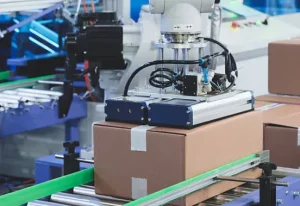
Packaging Machinery
How do conveyor systems improve material handling efficiency?
A modern conveyor system significantly improves material handling by reducing manual labor and increasing speed.
Instead of workers carrying items, the conveyor line moves goods automatically. This reduces fatigue and improves accuracy.
In real production environments, rollers work continuously to keep products flowing. A well-designed conveying system ensures smooth transition between stations, improving overall output.
Why choose a custom roller conveyor manufacturer?
As a China-based manufacturer of precision power transmission components, we design custom roller conveyor systems for global industries. Our expertise includes conveyor roller, gears, sprockets, and transmission systems.
We understand that every conveyor system is different. That’s why we offer tailored solutions based on load, speed, and environment.
By combining engineering design and production capability, we deliver reliable roller conveyor systems that improve efficiency and reduce downtime.
FAQs
What is the main function of a roller conveyor?
A roller conveyor moves goods using rotating roller elements, reducing manual handling and improving flow efficiency.
What industries use conveyor systems the most?
Industries like logistics, manufacturing, packaging, and automation rely heavily on conveyor systems for efficiency.
What is the difference between gravity and powered roller conveyors?
A gravity roller conveyor uses slope, while a powered system uses motors or driven roller technology.
Are roller conveyors customizable?
Yes, manufacturers can design custom roller conveyor systems based on load, speed, and layout.
What materials are conveyor rollers made from?
Common roller materials include steel, plastic, rubber-coated, and nylon options depending on application needs.
What is an MDR conveyor system?
An mdr conveyor uses motorized roller units for independent, energy-efficient movement control.
Key Takeaways
A conveyor system is essential for modern industrial automation
A roller conveyor improves speed and reduces labor costs
Different roller types support different industries and loads
Powered systems like mdr conveyor offer better control
Custom solutions from manufacturers ensure higher efficiency
Conveyors work best when properly designed for specific applications
Choosing the right conveyor system improves long-term productivity












 13:39
13:39