A poor conveyor layout can slow loading, damage cargo, and raise labor costs. In logistics, mining, ports, and bulk transport, small equipment mistakes become expensive. Understanding the basic conveyor parts helps buyers plan safer, smoother, and more efficient material movement.
The components of a conveyor system usually include the conveyor belt, rollers, pulleys, bearings, conveyor frame, motor, drive system, belt tension device, guards, sensors, and control system. These parts work together to move goods, bulk materials, packages, or industrial products from one point to another.
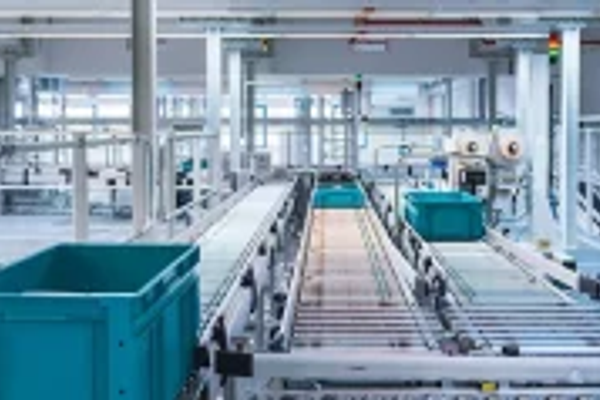
Overall conveyor system components
Article Outline
What is a conveyor system?
What are the basic components of a conveyor system?
How does a conveyor belt work?
What role do rollers play in a conveyor system?
Why are pulleys important in a belt conveyor?
What is the function of the conveyor frame?
How do bearings affect conveyor performance?
What type of conveyor is used for different materials?
How do conveyor parts support logistics, mining, and bulk transport?
How should buyers choose conveyor system parts?
FAQs
Key takeaways
What Is a Conveyor System?
A conveyor system is a mechanical system used to move materials from one place to another. It can move cartons, bags, boxes, minerals, grain, coal, cement, parcels, or other goods. In simple words, a conveyor helps people convey materials with less manual labor.
In industrial work, the conveyor is common in factories, warehouses, ports, mines, cement plants, logistics centers, packaging lines, and construction material yards. A conveyor can be short and simple, or long and fully automated. The design depends on the material, space, weight, speed, and working environment.
For heavy-duty transport projects, conveyors often work together with trucks, semi trailers, bulk cement tanker trailers, dump semi trailers, flatbed trailers, and port logistics equipment. As a semi trailer manufacturer in China, we often see that efficient loading and unloading systems can directly affect fleet productivity.
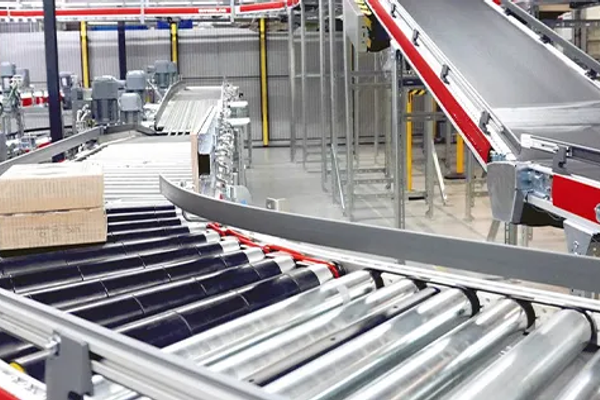
conveyor system components
What Are the Basic Components of a Conveyor System?
The basic components of a conveyor system include the belt, rollers, pulleys, bearings, frame, motor, drive unit, tension device, belt cleaner, guards, sensors, and control cabinet. These are the essential components that help the conveyor move materials safely and smoothly.
Here is a simple table of the main parts of a conveyor:
| Conveyor Part |
Main Function |
| Conveyor belt |
Carries materials along the conveyor |
| Roller |
Supports the belt and reduces friction |
| Pulley |
Drives, turns, or guides the belt |
| Tail pulley |
Supports belt return and tension adjustment |
| Bearing |
Helps rotating components move smoothly |
| Conveyor frame |
Holds the structure together |
| Motor and gearbox |
Provide power and desired belt speed |
| Tension device |
Keeps the belt taut |
| Belt cleaner |
Removes stuck material from the belt surface |
| Safety guard |
Protects workers around moving parts |
| Control system |
Controls speed, start, stop, and protection |
These parts and components must match the conveyor use. A light package line needs different conveyor parts than a mining conveyor or a cement loading conveyor.
How Does a Conveyor Belt Work?
A conveyor belt is the moving surface that carries materials. The belt moves over rollers and around pulleys. When the drive pulley turns, it creates belt movement. The material sits on the belt surface and moves along the conveyor line.
In a belt conveyor, the belt must be strong enough for the load. It must also resist wear and tear from the material. For example, sharp stone, coal, cement powder, and metal parts need a stronger type of belt than cartons or light packages.
A proper belt should match:
- Material weight
- Material shape
- Belt speed
- Working temperature
- Moisture or dust level
- Belt length
- Loading angle
- Site environment
If the belt is too weak, it may tear. If it is too slippery, material may move poorly. If the belt tension is wrong, belt slippage can happen.
What Role Do Rollers Play in a Conveyor System?
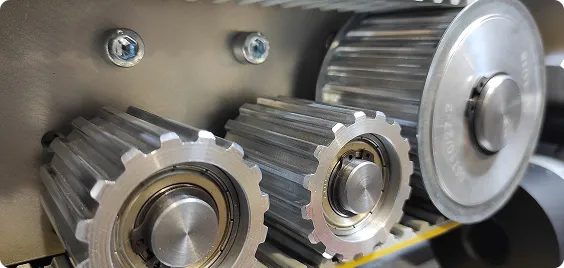
A roller supports the belt and helps it move smoothly. Without rollers, the belt would drag against the conveyor bed, creating heat, friction, and damage. Rollers help reduce friction and protect the belt.
There are several types of rollers in a conveyor system. Some rollers carry the loaded belt. Some rollers support the return side. Some rollers help shape the belt into a trough for bulk material. Some guide rollers help control the belt edge and keep the belt aligned.
Conveyor rollers are especially important in long belt conveyor systems. Poor roller quality can cause noise, extra power use, uneven belt movement, and more maintenance. A damaged roller can also cut or wear the belt, which increases downtime.
Why Are Pulleys Important in a Belt Conveyor?
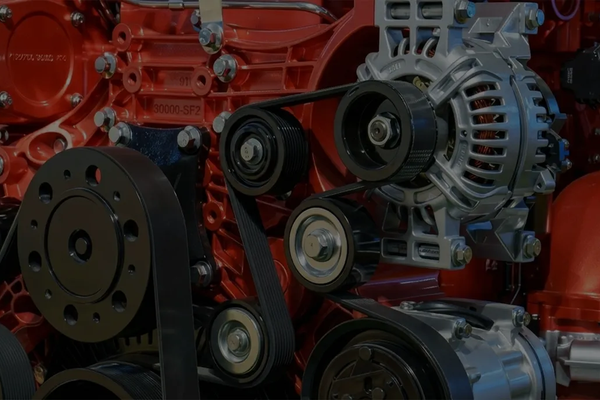
A pulley changes or drives the direction of the belt. The drive pulley transfers power from the motor to the belt. The tail pulley is usually located at the opposite end and helps guide the belt back. Together, the pulley system controls movement and support.
A conveyor pulley may have a rubber surface to improve grip and prevent belt slippage. In heavy-duty use, the pulley must be strong enough to handle the belt tension, material load, and operating speed.
Common pulley types include:
| Pulley Type |
Function |
| Drive pulley |
Moves the belt using motor power |
| Tail pulley |
Guides the return belt |
| Snub pulley |
Increases belt contact with drive pulley |
| Bend pulley |
Changes belt direction |
| Take-up pulley |
Helps control tension of the belt |
If the pulley is not aligned, the belt can run to one side. That may damage the belt edge and reduce the life of the conveyor unit’s operation.
What Is the Function of the Conveyor Frame?
The conveyor frame is the main structure that supports the whole system. It holds rollers, pulleys, bearings, guards, and other conveyor system parts in position. It also carries the weight of the conveyor, belt, and materials.
The frame can be made from carbon steel, stainless steel, or aluminum, depending on the application. Heavy-duty conveyor frames are often used in mining, construction material handling, cement plants, and port loading areas. Lighter frames may be used in packaging lines and warehouse systems.
Good structural components help keep the conveyor straight, stable, and safe. If the frame is weak or poorly welded, vibration and misalignment can happen. In heavy-duty industries, this can lead to higher maintenance cost and reduced service life.
How Do Bearings Affect Conveyor Performance?
A bearing supports rotating components such as rollers and pulleys. Bearings allow parts to turn with less friction. Good bearings help the conveyor run smoothly and reduce energy use.
In a roller conveyor or belt conveyor, many bearings work across a conveyor bed. If one bearing fails, the roller may stop turning. This can damage the belt and increase wear and tear. In dusty or wet environments, sealed bearings are often needed.
Buyers should check bearing quality, sealing design, load rating, and maintenance requirements. For mining, cement, port logistics, and bulk cargo handling, bearings must handle dust, vibration, heavy loads, and long working hours.
What Type of Conveyor Is Used for Different Materials?
The best type of conveyor depends on the material. There is no single standard conveyor for every job. A warehouse may use a roller conveyor. A cement plant may use a belt conveyor. A food factory may use a stainless steel conveyor. A mining site may need a heavy-duty conveyor belt system.
Common conveyor types include:
| Type of Conveyor System |
Common Use |
| Belt conveyor |
Bulk material, boxes, bags, parcels |
| Roller conveyor |
Cartons, pallets, warehouse handling |
| Screw conveyor |
Powder, cement, grain, dry bulk material |
| Chain conveyor |
Heavy pallets, industrial parts |
| Bucket conveyor |
Vertical movement of bulk material |
| Modular belt conveyor |
Food, packaging, washable production lines |
| Telescopic conveyor |
Truck loading and unloading |
| Portable conveyor |
Temporary job sites and flexible handling |
Choosing the right type of belt and conveyor layout can improve speed, safety, and loading efficiency. For example, cement powder needs enclosed handling to reduce dust. Coal or ore may need a stronger belt and larger rollers. Packages may need a smooth belt surface for safe transfer.
How Do Conveyor Parts Support Logistics, Mining, and Bulk Transport?
Conveyors are widely used in heavy-duty material handling. They move bulk goods before, during, and after road transport. In container logistics, conveyors may help move packaged cargo. In mining operations, conveyors move ore, gravel, coal, or aggregate. In cement and powder transport, conveyors help feed storage silos or loading systems.
For trailer buyers, conveyor efficiency affects loading time and fleet turnover. A dump semi trailer, bulk cement tanker trailer, sidewall trailer, or flatbed trailer may operate near conveyor-fed yards, ports, batching plants, mines, or warehouses. If loading is slow, vehicles wait longer. That reduces profit.
As a professional semi trailer manufacturer, we focus on heavy-duty transportation trailers for container logistics, bulk cargo transport, liquid and powder transport, construction machinery transport, mining operations, infrastructure projects, energy transport, and port logistics. Understanding conveyor uses helps buyers plan better fleet operations and site workflows.
What Are the Main Conveyor Belt Parts Buyers Should Check?
The key conveyor belt parts include the belt body, belt edge, splice, fasteners, cleats, sidewalls, tracking guides, and cleaning contact surface. These parts affect belt life, material stability, and maintenance.
For bulk materials, the belt must support the load and resist abrasion. For packages, the belt must move smoothly without damaging goods. For inclined conveyors, cleats or textured belt surfaces may help prevent material rollback.
A practical inspection checklist includes:
- Is the belt stretched or cracked?
- Is the belt edge damaged?
- Are the rollers turning freely?
- Is the pulley surface worn?
- Is the belt tracking correctly?
- Is there material buildup under the belt?
- Are guards in place?
- Is the drive system making abnormal noise?
Regular inspection helps reduce downtime and conveyor cost over the full service life.
How Should Buyers Choose Conveyor Parts for Specific Projects?
Buyers should choose conveyor parts for specific materials and working conditions. A conveyor for dry cartons is different from a conveyor for stone, sand, cement, coal, fertilizer, or metal scrap. The heavier and more abrasive the material, the stronger the parts must be.
When selecting parts for specific projects, check:
- Material type
Is it powder, bulk solid, package, pallet, or irregular cargo?
- Material weight
Heavier materials need stronger rollers, belt, and frame.
- Material condition
Wet, dusty, hot, sharp, or corrosive materials need special design.
- Conveyor length and angle
Long or inclined conveyors need better tension control and drive power.
- Desired belt speed
Faster speed increases capacity but may require better control.
- Maintenance access
Workers need safe access to moving components and rotating components.
- Project environment
Outdoor, port, mining, and cement sites need stronger protection.
The right supplier should help buyers select the right design instead of only offering a low price.
How Can Conveyor Planning Improve Heavy-Duty Fleet Efficiency?
A conveyor system is not a trailer, but it can strongly affect trailer operation. If loading points are well planned, trucks and trailers move faster. If conveyor discharge height, loading angle, and site traffic are wrong, vehicles may wait, reverse too often, or load unevenly.
For logistics companies and fleet owners, faster loading means better asset use. For mining companies and construction contractors, it means more daily output. For port and intermodal operators, it supports faster cargo movement.
When planning fleet equipment and site systems together, buyers should consider:
- Trailer height and loading access
- Conveyor discharge position
- Turning radius for trucks
- Loading safety zones
- Dust control
- Weight distribution inside trailers
- Local road and transport regulations
- Future capacity expansion
This is where engineering support matters. A trailer supplier with OEM/ODM customization ability can help match trailer specifications to real site loading conditions.
What Should Buyers Know Before Creating a Conveyor System?
To create a conveyor system, buyers must confirm material data, site layout, capacity target, power supply, safety requirements, and maintenance plan. The main parts must work as one system. Even one weak critical component can reduce the whole system’s performance.
Key questions include:
- What material will the conveyor move?
- How many tons or pieces per hour?
- How far must it move the material?
- Is the conveyor fixed or mobile?
- Is the environment dusty, wet, hot, or corrosive?
- What is the available power supply?
- How much maintenance skill is available on site?
A good guide to conveyor planning should always connect equipment design with real project operation. Buyers should not only look at purchase price. They should compare durability, spare parts, energy use, maintenance time, and safety.
FAQs About Conveyor System Components
What are the three main parts of a conveyor system?
The three main parts are usually the belt or carrying surface, the drive system, and the support structure. In a belt conveyor system, this includes the conveyor belt, pulleys, rollers, motor, and conveyor frame.
What is the most important conveyor component?
The belt is often the most visible critical component, but rollers, pulleys, bearings, and the frame are also crucial components. A conveyor only works well when all parts that work together are properly selected and maintained.
What causes belt slippage in a conveyor?
Belt slippage can happen because of poor belt tension, worn pulley surface, overload, material buildup, or incorrect alignment. A tension device that keeps the belt taut can help prevent belt slippage.
What is the function of rollers in a conveyor?
A roller supports the belt, reduces friction, and helps material move along the conveyor. Rollers can also shape the belt, guide the belt, and support the return side.
How do I choose the right conveyor belt?
Choose the proper belt based on material weight, abrasion level, temperature, moisture, speed, and conveyor length. Heavy bulk materials need stronger belts than lightweight packages.
Are conveyors important for trailer loading operations?
Yes. Conveyors can improve loading speed and reduce manual work in warehouses, mines, ports, cement plants, and logistics yards. For fleet owners, better loading efficiency can reduce waiting time and improve trailer utilization.
Key Takeaways
- A conveyor system moves materials from one place to another.
- The basic components include the conveyor belt, roller, pulley, bearing, conveyor frame, motor, tension device, and control system.
- The belt carries materials, while rollers support the belt and reduce friction.
- Pulleys drive, guide, and control the belt movement.
- Bearings help rotating parts run smoothly.
- The conveyor frame supports the full system structure.
- Different materials need different conveyor types and belt designs.
- Heavy-duty industries such as mining, ports, cement, logistics, and construction need stronger conveyor parts.
- Conveyor planning can improve trailer loading speed and fleet efficiency.
- Buyers should compare durability, maintenance, safety, and lifecycle cost, not only the first purchase price.












 14:33
14:33