A weak or mismatched sprocket can damage a chain, reduce power transfer, and stop equipment at the worst time. In transport, machinery, and fleet operation, that means downtime. The solution is to understand sprockets before choosing them.
A chain sprocket is a toothed wheel that works with a roller chain to transmit power between shafts. The chain link engaging with sprocket teeth creates a positive, zero-slip chain drive. Sprockets are used in motorcycles, industrial machinery, conveyors, tracked vehicles, trailer parts, and many power transmission systems.
Article Outline
- What Is a Chain Sprocket?
- How Do Sprockets Work with Roller Chain?
- What Are the Main Types of Sprockets?
- What Is the Difference Between a Sprocket and a Gear?
- How Do Motorcycle Chain and Sprocket Systems Work?
- How Does Tooth Count Affect Gear Ratio, Torque, and Top Speed?
- What Sprocket Material Is Best for Industrial Use?
- How Do Hub, Bore Size, and Shaft Design Affect Sprocket Selection?
- What Causes Chain and Sprockets to Wear Out?
- How Are Sprockets Used in Heavy-Duty Trailers and Transport Equipment?
- How Should B2B Buyers Choose the Right Sprocket Supplier?
- FAQs About Chain Sprockets
What Is a Chain Sprocket?
A sprocket is a wheel with teeth that fit into a chain. In simple words, the sprocket grabs the chain and turns it. When the sprocket rotates, it moves the chain. When the chain moves, it can turn another sprocket on another shaft.
In technical power transmission, ASME B29.1 covers precision power transmission roller chains, attachments, and sprockets. The standard also gives dimensions and tolerances for chain links, sprocket tooth profiles, pitch diameter, outside diameter, runout, and other control points used for interchangeability.
A sprocket is not only for a motorcycle. Sprockets are used in many industrial applications, including conveyors, agricultural machines, trailer parts, construction equipment, mining systems, tracked vehicles, packaging equipment, and bulk material handling machinery.
What Is a Chain Sprocket? Roller Chain Sprockets, Motorcycle Chain, Gear Ratio, and Selection Guide
How Do Sprockets Work with Roller Chain?
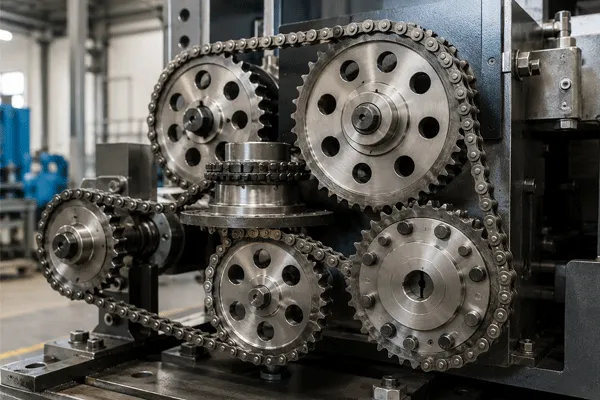
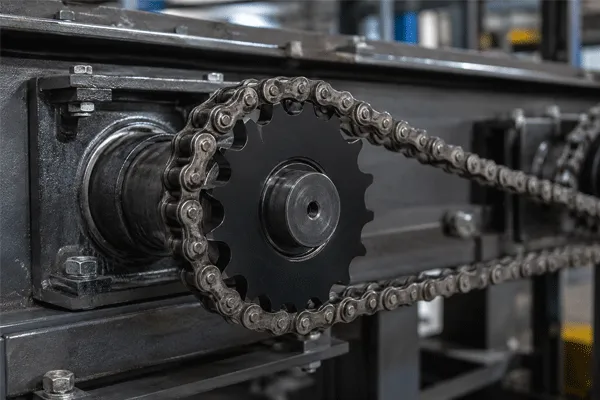
A roller chain is made of links, pins, bushings, and rollers. The roller sits between chain plates and rolls over the sprocket teeth. This rolling action helps reduce sliding friction and allows the chain and sprockets to move power from one shaft to another.
ASME describes roller chain as alternating roller links and pin links, with pins articulating inside bushings and rollers free to turn on the bushings. Roller chains may be single-strand or multiple-strand, depending on the power and load requirement.
In a chain drive system, one sprocket is usually the drive sprocket, and the other is the driven sprocket. The drive sprocket connects to the motor, engine, gearbox, or drive shaft. The driven sprocket receives power and turns the next part of the machine. This is why a sprocket and chain system is so useful in power transmission.
What Are the Main Types of Sprockets?
There are many types of sprockets, but the most common groups include standard sprockets, hub sprockets, bore sprockets, idler sprockets, roller chain sprockets, double single sprockets, and custom industrial chain sprockets. Each type fits a different machine layout.
A simple sprocket types guide looks like this:
| Sprocket Type |
Common Feature |
Typical Use |
| Type A sprockets |
Flat plate, no hub |
Tight-space installations |
| Type B sprockets |
Hub on one side |
Common machine drive systems |
| Type C sprockets |
Hub on both sides |
Heavy-duty shaft support |
| Bore sprockets |
Finished, pilot, or taper bore |
Shaft-mounted systems |
| Idler sprockets |
Used for tension or direction |
Chain slack control |
| Double single sprockets |
Two single-strand sprockets together |
Dual chain drive systems |
| Stainless steel sprockets |
Better corrosion resistance |
Wet or corrosive environments |
Tsubaki notes that sprockets for drive chain transmission can be selected in many forms, including pilot bore products, machined shaft-hole products, steel, stainless steel, resin, and surface-treated options.
For B2B buyers, different types of sprockets are not just catalog choices. They affect installation time, shaft fit, torque transfer, chain speed, maintenance, and service life.
What Is the Difference Between a Sprocket and a Gear?
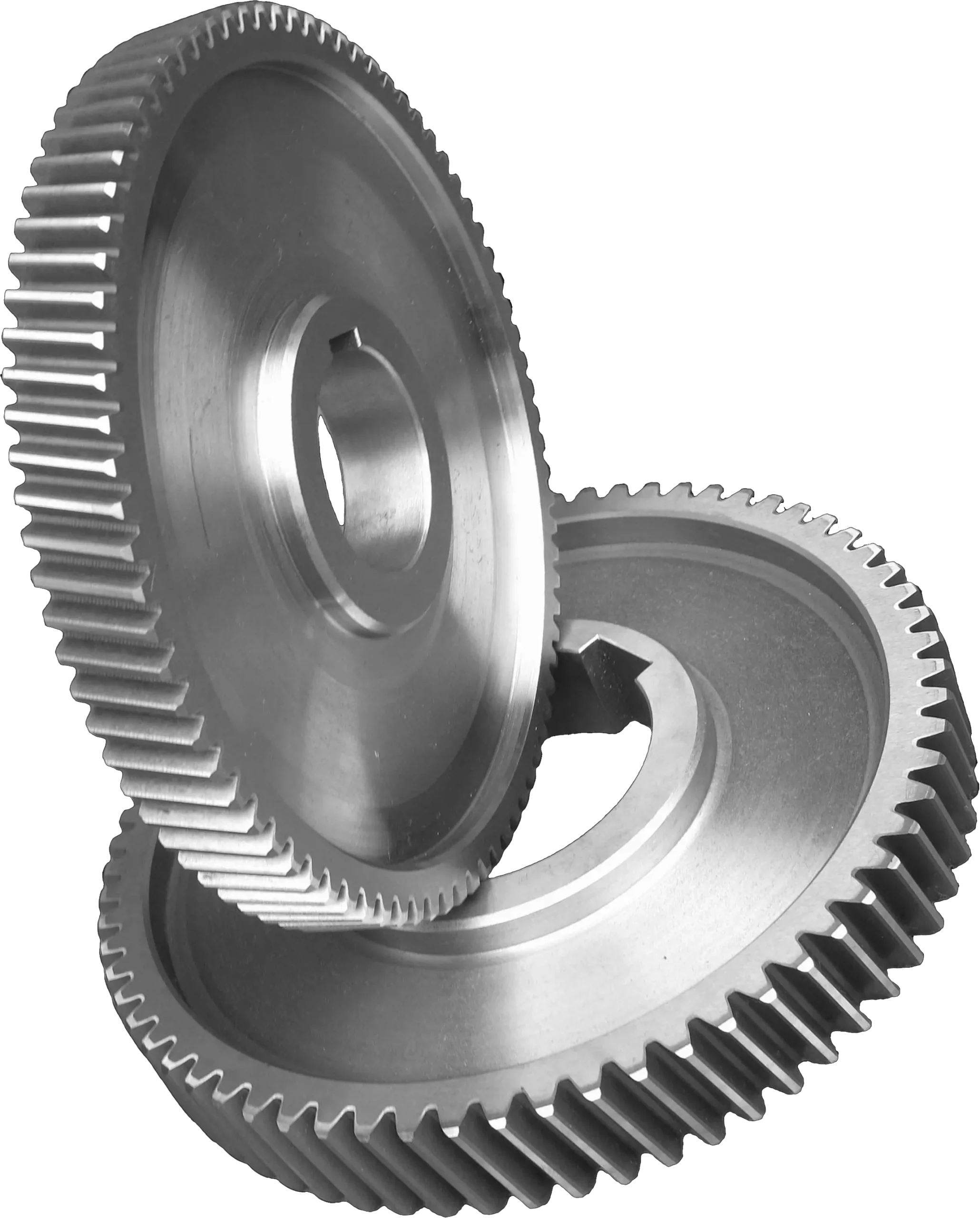
A gear meshes directly with another gear. A sprocket meshes with a chain. That is the simple difference. Gears transfer motion through tooth-to-tooth contact, while sprockets transfer motion through chain engagement.
A gear often works in enclosed gearboxes with lubrication. A sprocket often works in an open or semi-open chain drive. A gear can reverse direction when meshed with another gear. A chain sprocket system can transmit power over a longer distance between two shafts.
Think of it this way:
- A gear touches another gear.
- A sprocket touches a chain.
- A roller chain connects two sprockets.
- A chain drive can move power over distance.
- A gear set is usually more compact but less flexible in shaft spacing.
Both systems matter in machinery. But for conveyors, motorcycles, industrial chain systems, and some trailer support parts, sprockets offer a strong and practical power transmission solution.
How Do Motorcycle Chain and Sprocket Systems Work?
A motorcycle chain and sprocket system usually has a front sprocket, rear sprocket, and motorcycle chain. The front sprocket connects to the engine output shaft. The rear sprocket connects to the rear wheel hub. The chain transfers power from the engine to the wheel.
In motorcycle use, the front sprocket is usually smaller, and the rear sprocket is larger. The gear ratio is calculated by dividing the number of teeth on the rear sprocket by the number of teeth on the front sprocket. Changing sprocket teeth changes acceleration, engine RPM, and top speed.
A larger rear sprocket usually gives stronger acceleration but lower top speed. A smaller rear sprocket may improve cruising and top speed potential but reduce acceleration. This same principle also helps explain industrial sprocket ratio selection.
How Does Tooth Count Affect Gear Ratio, Torque, and Top Speed?
Tooth count is one of the most important sprocket selection factors. The number of teeth changes the sprocket ratio. The sprocket ratio affects torque, chain speed, and output speed.
For example:
| Drive Sprocket |
Driven Sprocket |
Ratio |
Result |
| 15 teeth |
45 teeth |
3.00 |
More torque, lower speed |
| 18 teeth |
45 teeth |
2.50 |
Higher speed, less torque |
| 15 teeth |
36 teeth |
2.40 |
Faster output, lower torque |
Tsubaki notes that drive chain transmission can achieve a large reduction ratio by combining different numbers of teeth, generally up to 1:7.
For heavy-duty equipment, do not choose tooth count only by speed. Check torque, shaft load, chain size, lubrication, shock loading, and safety factor. A fast drive system that breaks early is not a good drive system.
What Sprocket Material Is Best for Industrial Use?
The best sprocket material depends on load, speed, corrosion, cost, and working environment. Most heavy-duty sprockets use steel because steel offers strength, durability, and wear resistance. Heat-treated steel sprockets are common in demanding equipment.
U.S. Tsubaki states that its sprockets are made from heat-treated steel to withstand heavy shock loading, resist abrasion, and provide long service life. It also notes that alloy and stainless steel sprockets are available for extra corrosion resistance and food-grade applications.
A quick selection guide:
| Material |
Best Use |
Main Benefit |
| Carbon steel |
General industrial drive systems |
Good strength and cost balance |
| Heat-treated steel |
Heavy-duty chain drive |
Better wear resistance |
| Alloy steel |
High-load or shock-load machines |
Higher strength |
| Stainless steel sprockets |
Wet, food, chemical, or corrosive use |
Corrosion resistance |
| Resin or plastic |
Light-duty, low-noise systems |
Low weight and lower noise |
For trailer parts and heavy-duty equipment, steel sprockets are usually preferred. For corrosive environments, stainless steel sprockets or surface-treated sprockets may be a better option.
What Is a Chain Sprocket? Roller Chain Sprockets, Motorcycle Chain, Gear Ratio, and Selection Guide
How Do Hub, Bore Size, and Shaft Design Affect Sprocket Selection?
The hub connects the sprocket body to the shaft area. The bore size is the hole that fits onto the shaft. A sprocket can have a plain bore, finished bore, taper bore, keyway, set screws, or custom machining. These details decide whether the sprocket fits the machine correctly.
A poor bore fit can cause vibration, slipping, shaft wear, or broken keys. A weak hub may not support high torque. A mismatched shaft can damage the drive system. That is why bore sprockets must match both shaft diameter and application load.
Common hub and bore questions include:
- What is the shaft diameter?
- Does the sprocket need a keyway?
- Are set screws required?
- Is the sprocket mounted on a drive shaft or idler shaft?
- Is alignment adjustable?
- Does the machine need a removable hub?
- Is the load steady or shock-heavy?
Some buyers ask about “4 hub types.” In practical industrial use, the idea is to compare no-hub, one-side hub, two-side hub, and detachable or taper-lock hub structures. The right sprocket depends on shaft load, installation space, and maintenance access.
What Causes Chain and Sprockets to Wear Out?
Sprockets and chains wear out because of load, friction, dust, poor lubrication, wrong alignment, chain slack, and bad material quality. If the chain and the sprocket do not match, wear can happen quickly.
Common wear causes include:
- Wrong chain size
- Poor alignment
- Too much chain slack
- Chain too tight
- Worn sprocket teeth
- Poor lubrication
- Dust, sand, or mud
- Corrosion
- Shock loading
- Using old chain with new sprockets
- Using poor-quality raw material
Tsubaki explains that system performance depends strongly on chain-sprocket interaction, and that choosing the right sprocket can improve operation success.
If sprocket teeth become hooked, sharp, or uneven, replace the sprocket. If the chain is stretched or the roller is worn, replace the chain. In many systems, it is better to replace chain and sprockets together to protect optimal performance.
How Are Sprockets Used in Heavy-Duty Trailers and Transport Equipment?
As a professional semi trailer manufacturer in China, we design, produce, customize, and export heavy-duty transportation trailers. Our product range includes flatbed semi trailers, skeleton container trailers, side curtain trailers, sidewall and fence trailers, lowbed trailers, lowboy trailers, removable gooseneck trailers, fuel tanker trailers, aluminum tanker trailers, bulk cement tanker trailers, dump semi trailers, car carrier trailers, trucks, and trailer parts.
Sprockets may appear in trailer support systems, landing gear mechanisms, hydraulic support equipment, winches, ramps, conveyor-style loading systems, service equipment, and other mechanical trailer parts. In these systems, the sprocket must handle load, torque, dust, vibration, and sometimes corrosion.
For fleet owners, logistics companies, container transport operators, port companies, construction contractors, mining companies, fuel transport companies, bulk cement transport operators, trailer distributors, and international project buyers, sprockets are not small parts. They help protect uptime.
What Should You Check Before Choosing the Right Sprocket?
Choosing the right sprocket starts with knowing the application. A sprocket for a motorcycle is not the same as a sprocket for a conveyor, trailer winch, industrial chain, or heavy mining machine. The right sprocket must match the chain, shaft, load, and speed.
Before sprocket selection, check:
- Chain size, such as 80 roller chain or other ANSI chain size
- Single strand or multi-strand chain
- Tooth count and sprocket ratio
- Bore size and shaft design
- Hub type
- Torque and chain speed
- Operating temperature
- Corrosion risk
- Lubrication method
- Duty cycle
- Space limit
- Maintenance access
- Standard or custom drawing requirement
ASME B29.1 supports interchangeability by giving control dimensions for chains, sprockets, and links from different manufacturers. That is important for distributors, repair teams, and OEM equipment builders who need parts to fit reliably.
What Is a Chain Sprocket? Roller Chain Sprockets, Motorcycle Chain, Gear Ratio, and Selection Guide
What Are Common Industrial Sprocket Applications?
Industrial chain sprockets are used wherever rotary power must move through a chain. They are common in many types of machinery because they are strong, simple, and easy to maintain.
Common applications include:
- Conveyor systems
- Agricultural equipment
- Trailer support devices
- Truck and trailer parts
- Bulk material handling
- Cement plant equipment
- Mining equipment
- Packaging machinery
- Food processing systems
- Port logistics equipment
- Motorcycle and small vehicle drives
- Tracked vehicles and construction machines
Tsubaki’s product information includes standard and made-to-order sprockets, roller chain sprockets, engineering class sprockets, smart tooth sprockets, and drum sprockets for industrial needs.
For OEM and ODM trailer projects, custom sprockets can be designed around load-bearing structure, shaft position, corrosion protection, and local road conditions.
Case Study: Sprocket Selection for a Trailer Loading Mechanism
A project buyer needed a heavy-duty trailer loading system for construction machinery transport. The system needed smooth power transfer, strong pulling force, and reliable service in dusty outdoor sites. At first, the buyer wanted a standard low-cost sprocket.
After checking the torque, chain size, shaft size, and duty cycle, a heat-treated steel sprocket with a finished bore and stronger hub became the better choice. The sprocket teeth needed good wear resistance, while the hub needed enough strength to support repeated loading.
The result was a stronger and more reliable drive system. The customer avoided premature chain wear and reduced maintenance risk. The lesson is clear: the cheapest sprocket is not always the lowest-cost solution.
Engineering note: A sprocket may look simple, but in heavy-duty transport equipment, it carries real work. Good sprocket selection protects the chain, the machine, and the customer’s schedule.
How Should B2B Buyers Choose a Sprocket or Trailer Parts Supplier?
A good supplier should understand the full system, not only one part. For sprockets, that means chain size, tooth count, hub design, material, heat treatment, bore size, and working conditions. For trailer parts, it also means load, welding, assembly, road regulations, and long-term use.
As a professional semi trailer manufacturer in China, we specialize in OEM and ODM trailer solutions for container logistics, bulk cargo transport, liquid and powder transport, construction machinery transport, mining operations, infrastructure projects, energy transport, port logistics, and global heavy-duty fleet operations.
B2B buyers should ask:
- Can the supplier support custom drawings?
- Can they confirm chain and sprocket compatibility?
- Can they provide material and heat treatment information?
- Can they match local road conditions?
- Can they supply complete trailers and trailer parts?
- Can they support long-term bulk procurement?
- Can they provide stable delivery and engineering communication?
- Can they help reduce downtime for fleets and projects?
For global project buyers, factory-direct supply is useful. But factory-direct supply must come with quality control, welding reliability, technical support, and export experience.
FAQs About Chain Sprockets
What is a chain sprocket?
A chain sprocket is a toothed wheel that works with a chain to transmit power between shafts. The chain sits on the sprocket teeth, and rotation moves power through the drive system.
What is the difference between a sprocket and a gear?
A gear meshes directly with another gear. A sprocket meshes with a chain. Gears usually work in gear sets, while sprockets work in chain drive systems.
What are roller chain sprockets?
Roller chain sprockets are sprockets designed to work with roller chains. The roller turns on the bushing and engages the sprocket teeth to support power transmission.
How do I choose the right sprocket?
Choose the right sprocket by checking chain size, tooth count, shaft size, bore size, hub type, load, speed, material, corrosion risk, and operating conditions.
What sprocket material is best?
Steel is best for most heavy-duty use. Heat-treated steel offers better wear resistance. Stainless steel sprockets are better for corrosion resistance. Plastic or resin sprockets are useful for light-duty or low-noise systems.
How does sprocket tooth count affect speed?
Tooth count changes the gear ratio. A larger driven sprocket increases torque but lowers speed. A smaller driven sprocket increases speed but lowers torque. Motorcycle sprocket changes use the same principle.
Key Takeaways
- A sprocket is a toothed wheel that works with a chain for power transmission.
- Sprockets are used in motorcycles, conveyors, tracked vehicles, trailer parts, and many industrial machines.
- Roller chain sprockets must match the chain size, pitch, roller width, bore, and shaft design.
- Tooth count affects sprocket ratio, torque, speed, and chain drive performance.
- Type A, Type B, Type C, bore sprockets, idler sprockets, and double single sprockets serve different uses.
- Heat-treated steel sprockets are common for heavy-duty applications.
- Stainless steel sprockets are useful when corrosion resistance matters.
- Chain slack, poor alignment, wrong chain size, and poor lubrication can cause fast wear.
- For semi trailers and heavy-duty transport equipment, sprocket quality supports reliability and uptime.
- A professional semi trailer manufacturer can support OEM/ODM trailer parts, custom fabrication, engineering review, and long-term export supply.












 17:24
17:24