A conveyor line can lose hours of production because of one damaged roller. The wrong replacement may not fit the frame, match the drive, or support the required load. Instead of repeating costly repairs, choose a compatible roller designed around your equipment and operating needs.
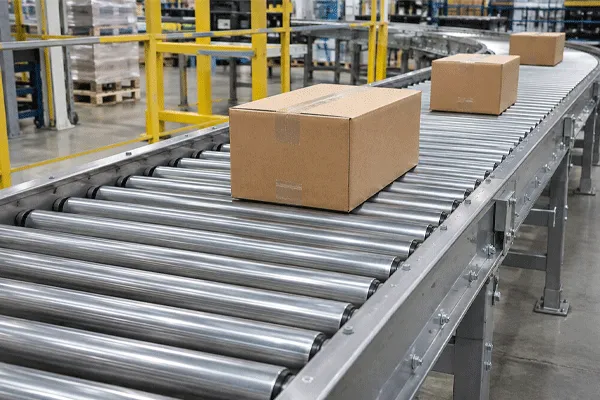
Conveyor rollers are cylindrical mechanical components that support, move, or drive products in material handling systems. When an existing roller wears out or no longer meets production requirements, buyers can choose a compatible replacement or a custom-designed solution based on the original dimensions, mounting interfaces, drive configuration, and operating conditions.
Replacing a worn roller is not always as simple as ordering a part with the same outside diameter. This guide explains how to identify a compatible component, check important mechanical interfaces, decide when custom manufacturing is worthwhile, and work with a supplier to reduce installation problems and future maintenance costs.
Conveyor Rollers: Replacement & Custom Options for Roller Conveyor Systems
1. When Is Conveyor Roller Replacement Necessary?
A conveyor roller works continuously under repeated contact, rotation, and loading. Over time, its tube, shaft, surface, or internal bearing can wear. Some problems develop slowly, while others appear after an impact, overload, or unexpected operating condition.
Common warning signs include:
- Unusual noise: Grinding or clicking may indicate internal damage.
- Uneven rotation: A roller may become difficult to turn or stop moving freely.
- Visible deformation: A bent tube or damaged shaft can affect product movement.
- Surface damage: Rust, cracks, or worn coatings may reduce performance.
- Product tracking problems: A damaged roller can cause packages to move unevenly.
- Repeated maintenance: Frequent repairs may indicate that the original specification is no longer suitable.
Not every damaged roller needs immediate replacement. Sometimes cleaning, lubrication, or a small adjustment can restore normal operation. However, when the tube is bent, the bearing seat is damaged, or the shaft interface has changed, installing a new component is usually a more reliable option.
For warehouse operators and OEM equipment manufacturers, a planned replacement program can help avoid unexpected downtime. Keeping critical spare parts available also makes it easier to maintain production when several rollers reach the end of their service life.
2. How Can You Identify the Correct Replacement Conveyor Roller?
The first step is to identify exactly what the existing component does. A roller that carries products directly is different from an idler that supports a conveyor belt. A powered unit also has different mechanical requirements from a freely rotating roller.
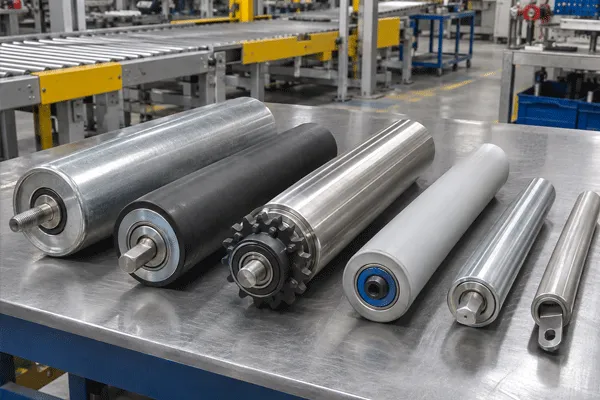
The main types of conveyor rollers used in replacement projects include gravity rollers, chain-driven units, belt-driven rollers, motorized rollers, and belt-support rollers. Each has a different connection to the surrounding equipment.
Before contacting a supplier, inspect the original assembly and record:
- Roller position and working function.
- Overall length and tube dimensions.
- Shaft-end shape and mounting method.
- Bearing housing arrangement.
- Drive interface, if applicable.
- Surface coating or material.
- Existing product and operating conditions.
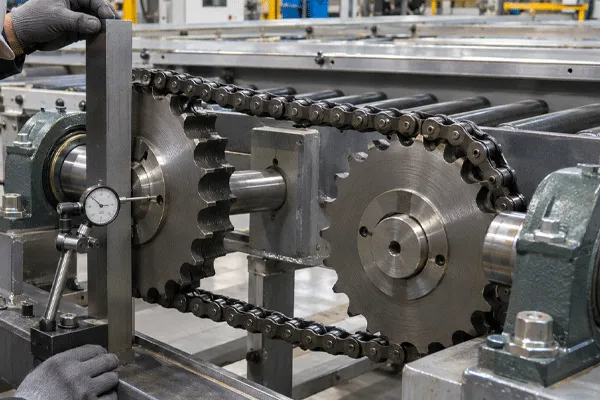
Pay particular attention to the drive connection. A sprocket-driven unit cannot automatically replace a smooth gravity roller, even if both have similar external dimensions. The replacement must match the original mechanical arrangement.
A useful approach is to photograph the old part from several angles and compare it with the machine drawing. If no drawing exists, a physical sample can help a manufacturer check the original construction and develop a compatible replacement.
3. Which Dimensions Must Be Checked Before Ordering?
Accurate measurement is essential when sourcing replacement parts. A small difference in overall length, shaft position, or mounting geometry can prevent installation.
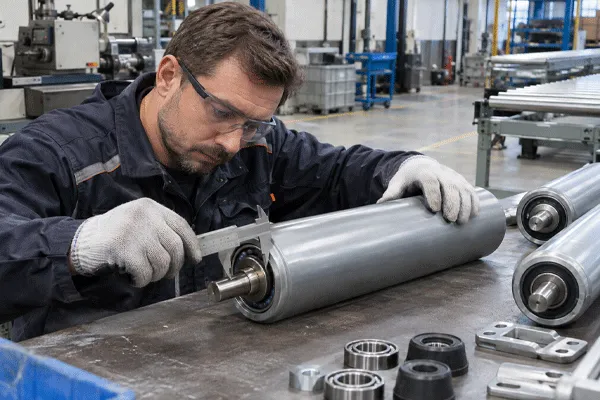
Start with the complete assembly rather than measuring only the tube. Record the tube outside diameter, wall thickness, face length, total length, and shaft projection. If the roller has a special end cap or drive feature, include its dimensions as well.
| Measurement |
Why It Matters |
| Tube outside diameter |
Maintains the original working height |
| Tube wall thickness |
Helps maintain structural strength |
| Overall length |
Ensures correct frame fit |
| Face length |
Confirms the usable product-contact area |
| Shaft diameter |
Matches the mounting interface |
| Shaft projection |
Provides correct installation clearance |
| Bearing housing |
Confirms internal assembly compatibility |
| Drive interface |
Matches the existing transmission arrangement |
Do not assume that two parts with the same nominal size are interchangeable. Manufacturing tolerances, end-cap designs, and shaft machining can create differences that are not visible in a product photograph.
For an accurate order, provide a technical drawing whenever possible. STEP, IGES, DWG, DXF, and PDF files can help the manufacturer understand the geometry and check important dimensions before production.
If the original drawing is unavailable, a sample-based measurement and reverse-engineering process can help recover the necessary specification.
4. How Do Bearings, Shafts, and Mounting Interfaces Affect Compatibility?
A complete conveyor roller contains several connected parts. The tube provides the rolling surface, while the shaft transfers support forces into the frame. The bearing allows rotation, and the end housing holds the internal assembly in position.
These parts must work together. A tube that fits the frame may still fail to operate correctly if the shaft ends are incompatible or the bearing arrangement differs from the original design.
Common shaft configurations include spring-loaded ends, female-threaded ends, and milled-flat designs. Spring-loaded shafts can simplify removal, while threaded connections provide a fixed mounting arrangement. Milled flats may help secure the shaft against unwanted rotation.
The bearing is equally important. Different roller bearings have different load, speed, sealing, and resistance characteristics. When ordering a replacement, check the original bearing arrangement rather than selecting a new one based only on price.
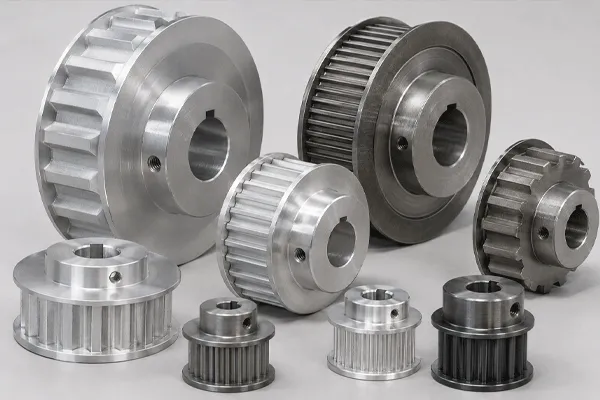
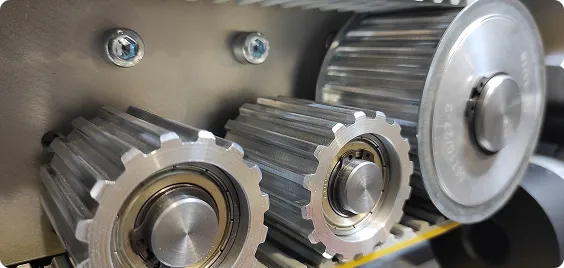
For powered units, also verify the drive connection. Sprockets, pulleys, grooves, and other interfaces must match the existing transmission components.
A compatible replacement should fit three areas:
- The mechanical connection to the conveyor frame.
- The internal rotating assembly.
- The drive connection to the rest of the equipment.
Checking all three before manufacturing reduces the risk of receiving parts that require additional machining or modification during installation.
5. Can an Existing Conveyor System Be Upgraded Without a Full Rebuild?
Yes. In many cases, replacing selected rollers is enough to improve an existing conveyor without changing the entire machine.
For example, an older warehouse line may still have a sound steel frame, but several rollers may show surface damage or excessive bearing resistance. Replacing those units with compatible components can restore smooth movement while keeping the existing structure.
A replacement project can also create an opportunity to improve performance. Buyers may choose better sealing, a different surface coating, improved corrosion protection, or a more suitable mounting arrangement, provided the updated component remains compatible with the original equipment.
Consider these common upgrade situations:
| Existing Problem |
Possible Upgrade |
| Frequent bearing contamination |
Improved bearing sealing |
| Corroded roller surface |
Stainless steel construction |
| Product slipping |
PU or rubber coating |
| Damaged drive connection |
Improved sprocket or shaft configuration |
| Difficult maintenance |
Quick-release shaft arrangement |
| Excessive operating noise |
Improved concentricity and bearing assembly |
The important point is to separate a simple replacement from a system redesign. If you change the roller diameter, mounting height, or drive interface, you may also need to review nearby components.
A planned upgrade should begin with an inspection of the existing line. Confirm which parts can remain unchanged and which require modification. This helps control costs and avoids unnecessary changes to the complete conveyor.
Conveyor Rollers: Replacement & Custom Options for Roller Conveyor Systems
6. When Are Custom Conveyor Rollers Better Than Standard Parts?
Standard rollers are suitable for many common applications. However, OEM machinery and older conveyor equipment often use dimensions or mounting arrangements that are not available from standard catalogs.
This is where custom conveyor rollers become valuable.
A manufacturer can produce components according to customer drawings, physical samples, or approved technical specifications. Custom work may involve special tube lengths, different wall thicknesses, modified shaft ends, integrated sprockets, guide features, or special surface treatments.
KTD provides standard and custom roller manufacturing for OEM and material handling applications. Its published capabilities include custom dimensions, specialized shaft machining, different material choices, groove options, and sprocket integration.
Typical customization options include:
- Non-standard tube length and diameter.
- Special shaft-end geometry.
- Custom bearing housing arrangements.
- Integrated sprockets for chain-driven applications.
- Grooves and guide features.
- Rubber, PVC, or polyurethane surface coatings.
- Special material and corrosion protection requirements.
The right approach depends on the machine’s actual requirements. An engineer should review the drawing and identify any features that affect manufacturing or assembly before production begins.
For example, a packaging machine manufacturer may need a roller with a special shaft end to fit an existing frame. A standard part may have the correct tube diameter but still require additional machining. A custom design can address the full interface from the start.
You can learn more about KTD’s custom manufacturing services for non-standard industrial components.
7. How Should Roller Materials and Surface Options Match Operating Conditions?
Material selection affects service life, corrosion resistance, product contact, and maintenance requirements. The right material depends on the environment and the goods moving through the conveyor.
Carbon steel is a common choice for general industrial applications. Stainless steel is more suitable where moisture, cleaning chemicals, or corrosion are important concerns. Aluminum can reduce component weight, while plastic rollers may suit lighter applications that require low noise or a low-friction material.
Surface treatment also deserves attention. A bare metal tube may work well for ordinary carton handling, but products with delicate surfaces may need a coated roller to reduce marking or improve contact.
| Material or Surface |
Typical Application |
| Carbon steel |
General industrial transport |
| 304 stainless steel |
Wet or corrosion-sensitive environments |
| 316 stainless steel |
More demanding chemical or chloride exposure |
| Aluminum |
Lightweight equipment |
| Plastic |
Light-duty material handling |
| PU coating |
Improved traction and product protection |
| Rubber coating |
Shock absorption and surface protection |
| PVC coating |
Selected light-duty conveying applications |
Operating conditions matter as much as the material itself. Consider temperature, humidity, dust, cleaning frequency, chemical exposure, and the nature of the products being handled.
For example, a warehouse roller may operate in a relatively dry environment, while a food-processing line may require corrosion-resistant construction and sealed internal assemblies.
A material upgrade should always be checked against the machine’s mechanical requirements. A lighter or softer material is not automatically suitable for every application.
8. What Quality Checks Matter During Conveyor Roller Manufacturing?
Consistent manufacturing quality is essential when producing replacement parts in batches. Even if the first roller fits correctly, differences between later units can create problems during installation or operation.
A reliable manufacturing process should control the tube, shaft, end caps, bearing seats, and final assembly. The manufacturer should also check concentricity and runout to help ensure stable rotation.
Important inspection points include:
- Material verification: Confirm the specified tube and shaft materials.
- Dimensional inspection: Check overall length, diameter, and mounting dimensions.
- Concentricity checks: Confirm that the roller rotates consistently.
- Welding and assembly checks: Inspect end-cap connections and housing security.
- Surface inspection: Look for scratches, corrosion, and coating defects.
- Rotation testing: Check for unusual noise, resistance, or vibration.
- Final documentation: Keep records of important dimensions and inspection results.
For larger OEM orders, first article inspection is especially useful. The buyer can approve an initial sample before the manufacturer proceeds with the full batch.
KTD’s manufacturing approach includes precision machining, roller concentricity control, and inspection of important mechanical interfaces. Its conveyor roller range also supports different tube materials, bearing arrangements, and custom configurations.
Quality control should not end with the first approved sample. Repeat production needs consistent specifications and inspection procedures so that future batches remain compatible with the same equipment.
9. How Can Buyers Plan Installation and Spare Parts?
A good replacement project should consider more than the new roller itself. Installation time, spare-part availability, and compatibility with existing equipment all affect the final result.
Before installation, compare the delivered roller with the approved drawing or sample. Check the shaft ends, bearing housing, mounting dimensions, and drive connection. Then confirm that the conveyor frame is clean, aligned, and free from damage.
During assembly, follow the equipment manufacturer’s installation procedure. Avoid forcing a shaft into an incorrectly aligned frame, as this can damage the bearing or mounting structure.
For companies operating several conveyor lines, it is useful to maintain a record of each roller specification. This makes future ordering faster and reduces the chance of receiving an incompatible part.
A practical spare-parts record should include:
- Part number and drawing revision.
- Tube material and dimensions.
- Shaft and bearing configuration.
- Drive type and mounting details.
- Supplier and manufacturing batch.
- Approved sample information.
- Previous order quantity and installation date.
For a large warehouse, this information can help maintenance teams identify the correct component without measuring every damaged unit again.
The same method is useful for OEM manufacturers that produce multiple machine models. A clear parts record helps maintain consistent assemblies across different production batches.
Conveyor Rollers: Replacement & Custom Options for Roller Conveyor Systems
10. What Information Should an OEM Buyer Include in a Roller RFQ?
A complete RFQ allows a manufacturer to review the project and provide a more accurate quote. It also reduces repeated questions and helps avoid mistakes during production.
For a custom or replacement order, prepare the following information:
Technical requirements
- Existing roller drawing or physical sample.
- Tube diameter, wall thickness, and length.
- Shaft dimensions and end configuration.
- Bearing and housing details.
- Drive interface, sprocket, or groove requirements.
- Material and surface treatment.
- Required dimensional tolerances.
Application information
- Product type and weight.
- Working environment.
- Operating speed and duty cycle.
- Installation space and frame configuration.
- Whether the unit is gravity-driven or powered.
- Any known failure or maintenance problems.
Purchasing requirements
- Order quantity.
- Sample approval requirements.
- Expected delivery schedule.
- Packaging requirements.
- Inspection documentation.
- Destination country.
When evaluating pricing, compare the complete specification rather than the unit price alone. Material, machining, coating, bearing arrangements, and order quantity can all affect the final cost.
If you only have a damaged sample, explain its original application and send clear photographs. A manufacturer can then review the part and advise whether direct reproduction or an improved configuration is more suitable.
At KTD, we support custom roller projects through drawing review, engineering communication, and manufacturing according to customer requirements. Our goal is to help OEM buyers obtain components that fit their equipment and support stable long-term operation.
Frequently Asked Questions About Conveyor Rollers
1. Can I order a conveyor roller using only a physical sample?
Yes. A physical sample can help a manufacturer measure the original dimensions, shaft ends, bearing housing, and drive features. A technical drawing is still useful for confirming tolerances and special requirements before production.
2. Can custom rollers fit an existing conveyor frame?
Yes. Custom rollers can be manufactured according to the original frame dimensions and mounting interfaces. Provide the overall length, shaft configuration, tube specifications, and any special installation requirements.
3. How do I know whether to replace one roller or several?
Inspect the surrounding units and compare their operating condition. If several rollers show similar wear, replacing a group at the same time may reduce repeated maintenance work. The final decision should consider inspection results and the equipment’s maintenance plan.
4. Can I upgrade a standard roller to a coated roller?
Yes, provided the coating does not interfere with product dimensions, conveyor clearance, or drive performance. PU and rubber coatings can improve traction and protect certain products from direct metal contact.
5. Do you manufacture rollers for both gravity and powered conveyor applications?
KTD’s product range includes gravity rollers, powered rollers, motorized rollers, sprocket-driven rollers, and custom configurations. The correct design depends on the existing equipment and application requirements.
6. What affects the pricing of custom conveyor rollers?
Pricing depends on material, tube dimensions, wall thickness, shaft machining, bearing configuration, surface treatment, manufacturing complexity, and order quantity. Providing a complete drawing usually helps the manufacturer prepare a more accurate quotation.
Key Takeaways: Choosing the Right Conveyor Roller Replacement
- Inspect the original roller before ordering a new component.
- Check the tube, shaft, bearing, mounting, and drive interfaces.
- Do not rely on outside diameter alone to confirm compatibility.
- Use physical samples or technical drawings to reduce measurement errors.
- Consider custom manufacturing when standard components cannot fit the existing equipment.
- Match materials and coatings to the actual working environment.
- Check concentricity, assembly quality, and dimensional consistency.
- Keep approved drawings and spare-part records for future orders.
- Compare suppliers based on manufacturing capability, inspection, delivery, and technical support.
Need Custom Conveyor Rollers for Your Equipment?
KTD, Qingdao Ivanos Transmission Machinery Co., Ltd., provides industrial conveyor roller solutions for OEM manufacturers, equipment builders, and material handling projects.
Our product range covers gravity rollers, powered rollers, sprocket-driven rollers, steel rollers, and custom designs. We support customer-specific dimensions, shaft configurations, material choices, and machining requirements.
Whether you need replacement components for existing machinery or custom rollers for a new conveyor project, send us your drawings, samples, or technical requirements. Our team can help review the specifications and develop a suitable manufacturing solution.












 09:24