Ignoring a worn timing belt can turn a small maintenance job into a huge repair. One belt break at the wrong moment can leave you stranded, bend engine parts, and blow up your budget. The safest answer is simple: know your engine, watch the warning signs, and replace the belt on time.
A broken timing belt does not always destroy every engine, but it can absolutely ruin some of them. If your vehicle has an interference engine, a timing belt break can let the valves and pistons hit each other, causing bent valves, piston damage, and major internal repairs. If it has a non-interference engine, the engine will usually stop running without the same level of internal damage.
Outline
1. What Does a Timing Belt Actually Do?
2. Will a Broken Timing Belt Destroy Every Engine?
3. What Is an Interference Engine, and Why Does It Matter?
4. What Happens If the Timing Belt Breaks While Driving?
5. Can a Timing Chain Fail the Same Way as a Timing Belt?
6. What Warning Signs Can Point to a Failing Timing Belt?
7. Why Timing Belt Replacement Matters More Than People Think
8. How Often Should You Replace the Timing Belt?
9. What Should You Do Right After a Belt Break?
10. Can a Mechanic Repair the Damage, or Do You Need a New Engine?
What Does a Timing Belt Actually Do?
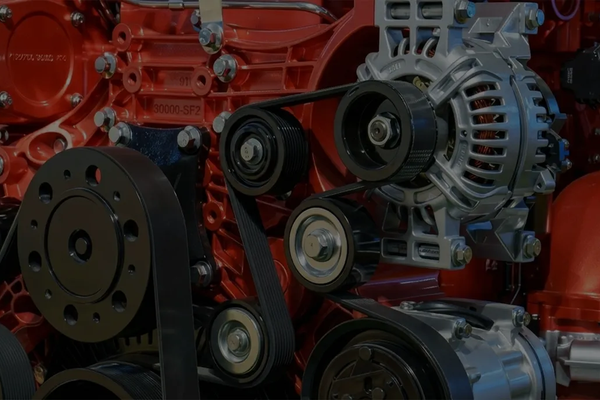
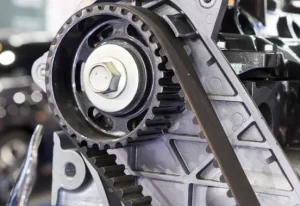
The timing belt is the toothed belt that keeps the crankshaft and camshaft working together in the right sequence. In simple terms, it keeps the engine’s moving parts in synchronization so the intake and exhaust valve events happen at the correct time. AAA explains that the belt links the crankshaft and camshaft, and on some engines it may also drive components like the water pump or oil pump.
That job sounds simple, but it is critical. The crankshaft moves the piston up and down, while the camshaft controls when the valves open and close. If the belt loses timing, those parts are no longer coordinated. Gates describes the timing belt as the component that connects the crankshaft to the camshaft and helps ensure proper engine performance by keeping those parts timed correctly.
This is why a timing belt failure is very different from a simple accessory belt problem. If a drive belt for an accessory wears out, you may lose charging or cooling. If the timing belt has broken, the engine’s core valve timing is lost. That is when real engine damage can begin.
Will a Broken Timing Belt Destroy Every Engine?
No. A timing belt break does not destroy every engine in every case. The answer depends on the type of engine. AAA notes that some engines are designed with enough clearance that a belt failure may stop the engine without causing internal contact. Those are called non-interference engines. Other engines do not have that clearance, and those are called interference engines.
That difference is everything. In a non-interference engine, the pistons and valves can lose timing without occupying the same space. In an interference engine, they may not never occupy the same space if timing is correct, but they can crash into each other as soon as timing is lost. AAA specifically says that common results of a broken or slipped belt in an interference engine are bent valves and piston damage.
So the short answer to “will a broken timing belt destroy my engine?” is this: sometimes yes, sometimes no. It depends on the make and model, engine design, and whether your vehicle is interference or non interference engine. That is why one driver may need only a timing belt replacement, while another may face catastrophic engine damage.
What Is an Interference Engine, and Why Does It Matter?
An interference engine is built so that the valve and piston paths overlap in the cylinder at different times. That design can support efficient combustion and compact engine geometry, but it also means timing has to be exact. If the belt fails, the moving parts can hit one another. AAA says interference engines can suffer serious internal damage when the timing belt malfunctions.
In practical terms, this means the valves and pistons move through the same area of the cylinder at different moments. With the timing belt intact, they stay perfectly coordinated. With a belt break, that coordination disappears. The piston can hit the valves, the valve stems can bend, and damage can spread into the cylinder head or other components.
This is the real reason a timing belt break can be so expensive. It is not just that the belt snaps. It is that the engine may instantly move from normal operation to metal-on-metal contact. That is the worst case scenario, and it is why timing belt maintenance matters so much.
What Happens If the Timing Belt Breaks While Driving?
If the timing belt breaks while driving, the engine will usually shut down right away. AAA says a broken timing belt can leave you with an immobile vehicle, and another AAA source notes that a snapped timing belt can cause a sudden engine shutdown while driving.
That means the engine will stop running, and the car may lose power assistance for systems like steering and brakes. Even if you can still coast to a safe place, the vehicle will often need to be towed. This is why a belt broke while driving situation is more than an inconvenience. It is a safety event as well as a mechanical one.
On an interference design, the danger is higher because the shutdown may happen at the same moment the pistons and valves lose timing. That can lead to bent valves and piston damage, or broader internal damage inside the engine. In a non-interference engine, you may still need a tow and a repair, but the engine internals are less likely to collide.
Can a Timing Chain Fail the Same Way as a Timing Belt?
A timing chain does a similar job, but it is not the same part. AAA notes that not every engine has a timing belt; some use timing gears or a timing chain instead. Timing chains are generally more durable and often do not follow the same regular replacement schedule as a rubber belt, though they can still develop problems in their tensioning system.
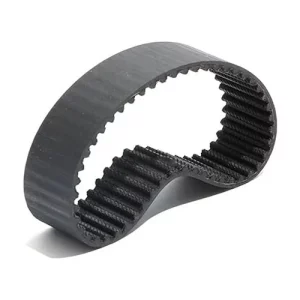
The key difference is material and service pattern. A timing chain is made of metal, while a timing belt is rubber reinforced with internal cords. Consumer Reports notes that many cars with timing chains may not have a regular replacement schedule, while rubber timing belts usually do.
That does not mean a chain is risk-free. A chain-related timing problem can still cause engine timing loss. But when people ask whether a belt or chain is safer, the more accurate answer is that both require care, and the service needs depends on the make and engine design. For a timing belt car, replace the timing belt at the scheduled interval. For a chain engine, follow the manufacturer’s guidance and listen for signs of trouble.
What Warning Signs Can Point to a Failing Timing Belt?
A failing timing belt often gives clues before total failure, though not always. AAA lists several warning signs that may indicate a timing belt needs attention: engine misfires, difficulty starting, performance changes over 2,000 RPM, ticking noises, and smoke or fumes from the engine.
Those symptoms happen because the belt may be worn, stretched, or losing its grip on correct timing. If the belt is worn, the engine may run rough, idle poorly, or show a misfire pattern. In some cases, a check engine light may also appear when timing-related performance problems begin. AAA includes engine shutdown and irregular cranking among symptoms of a snapped timing belt.
You should also take timing belt inspection seriously. AAA’s belt guide says belts should be checked for wear signs and tension issues, and Gates says the belt should be checked during routine maintenance and changed at the recommended interval. In short, do not wait for dramatic symptoms. The best warning signs response is early action.
Why Timing Belt Replacement Matters More Than People Think
Many drivers delay timing belt replacement because the car still runs and the job is not cheap. But AAA makes the tradeoff clear: putting off service can turn a normal replacement into thousands of dollars in repairs or even a full engine replacement.
A routine timing belt replacement service is preventative work. A new belt restores proper timing reliability and greatly reduces the risk of sudden failure. Gates also warns that a broken timing belt can cause catastrophic damage and says the belt should always be changed at the recommended change intervals.
This is why preventative maintenance is so important here. Drivers often think of the belt as just another maintenance item at the front of the engine, but on many engines it is closer to insurance. Timely replacement is much cheaper than a rebuild, engine swap, or searching for a used engine after a serious failure.
How Often Should You Replace the Timing Belt?
There is no one interval for every vehicle. AAA says most automakers recommend timing belt replacement somewhere between 60,000 and 100,000 miles, but the exact interval varies by vehicle and the owner’s manual is the right source.
Factory schedules show how much intervals can change by brand and model. For example, Toyota maintenance literature for some older models specifies “Replace every 90,000 miles,” while Subaru lists timing belt replacement at 105,000 miles for some 2014 WRX/STI and Tribeca vehicles. That is a good reminder that the correct answer always depends on make and model.
Here is a simple comparison:
| Source |
Example guidance |
| AAA general advice |
Many vehicles: 60,000–100,000 miles |
| Toyota maintenance guide example |
Some older Toyota applications: 90,000 miles |
| Subaru maintenance guide example |
Some 2014 applications: 105,000 miles |
The safest rule is simple: follow the manufacturer’s schedule, not guesswork. If you are unsure, ask a qualified technician or mechanic to confirm the service interval for your exact engine.
What Should You Do Right After a Belt Break?
If you think the timing belt has broken, stop trying to restart the engine. Repeated cranking can make the damage worse on an interference engine because the internal parts may keep moving out of sync. AAA says a broken belt can leave the vehicle immobile, and in many cases the car will need to be towed.
The next step is practical: arrange a tow and have the vehicle towed to a repair facility or trusted repair shop. Do not assume that simply installing a new belt will solve the problem. If the engine is interference, the shop needs to inspect for damage to the engine, including possible bent valves, damage to the pistons, or harm to the cylinder head.
A smart mechanic will verify engine timing, compression, and internal condition before deciding whether you only need to replace the belt or also need deeper engine repair. That inspection step is what separates a manageable repair from a very expensive mistake.
Can a Mechanic Repair the Damage, or Do You Need a New Engine?
That depends on how bad the failure was. In some cases, the repair may be limited to a timing belt replacement and related components if no internal contact happened. In other cases, the engine may suffer bent valves and piston damage, which can require cylinder head work or more extensive repair. AAA specifically mentions bent valves, broken cylinders, and expensive internal damage as possible results.
A common repair path is removing the cylinder head and checking the valve, guides, and piston tops. If the damage is limited, a shop may repair the head and reinstall the correct timing components. But if the contact was severe, the owner may be facing costly repairs, a replacement long block, or even a new engine.
That is why the real cost question starts long before failure. A scheduled timing belt replacement service is normal maintenance. A post-failure teardown is damage control. One is planned. The other is often costly to repair.
FAQs About Timing Belt Breaks and Engine Damage
Will a broken timing belt destroy my engine?
It can, especially if your vehicle has an interference engine. On those engines, a timing belt break can let the valves and pistons hit each other, causing major internal damage. On a non-interference engine, the engine will usually stop running without the same level of damage.
What happens if the timing belt breaks while driving?
If the timing belt breaks while driving, the engine will usually shut off suddenly. The vehicle may lose power assistance and will often need to be towed. On an interference design, internal contact may happen at the same time.
Is a timing chain better than a timing belt?
A timing chain is different, not automatically better in every way. Chains are generally longer-lived and often do not have the same fixed service interval, but they can still have problems. Timing belts, on the other hand, require regular scheduled replacement.
What are the warning signs of timing belt trouble?
Common warning signs include engine misfires, difficulty starting, ticking noises, rough performance, and sometimes smoke or fumes from the engine. A snapped belt may also leave the engine cranking irregularly and unable to start.
How often should the timing belt be replaced?
It varies. AAA says many vehicles fall somewhere between 60,000 and 100,000 miles, but the correct answer depends on your vehicle. Toyota and Subaru maintenance guides show that specific factory intervals can differ by application.
Should I keep driving if I suspect a timing belt problem?
No. If you suspect a failing timing belt, have it inspected as soon as possible. Running past the recommended interval or ignoring symptoms can turn a maintenance issue into major engine damage.
Key Takeaways
A timing belt keeps the crankshaft and camshaft synchronized so the engine’s valve events happen at the right time.
A timing belt break can cause severe internal damage on an interference engine, often including bent valves and piston damage.
If the timing belt breaks while driving, the engine will usually shut down and the vehicle may need a tow.
Not every engine is interference; some non-interference designs may avoid internal contact when the belt fails.
Common warning signs include engine misfires, difficulty starting, ticking noises, and unstable performance.
Many replacement intervals fall in the 60,000–100,000 mile range, but your real interval depends on the exact make and model and the owner’s manual.
On-time service is far cheaper than major engine repair, a rebuild, or an engine swap after a failure.












 08:48
08:48